whatsapp:+86 13622680352



Screw Jack Lifting System for Textile Machinery: Stable Height Adjustment for Long-Frame Equipment
A Screw Jack Lifting System for Textile Machinery helps long-frame textile equipment achieve stable height adjustment, synchronized movement, and accurate positioning.
Textile production equipment often has a long working width. Therefore, the lifting system must keep multiple points moving together. If the machine frame tilts during adjustment, the fabric path may change. As a result, the production line may face uneven tension, roller misalignment, wrinkles, unstable pressure, and lower fabric quality.
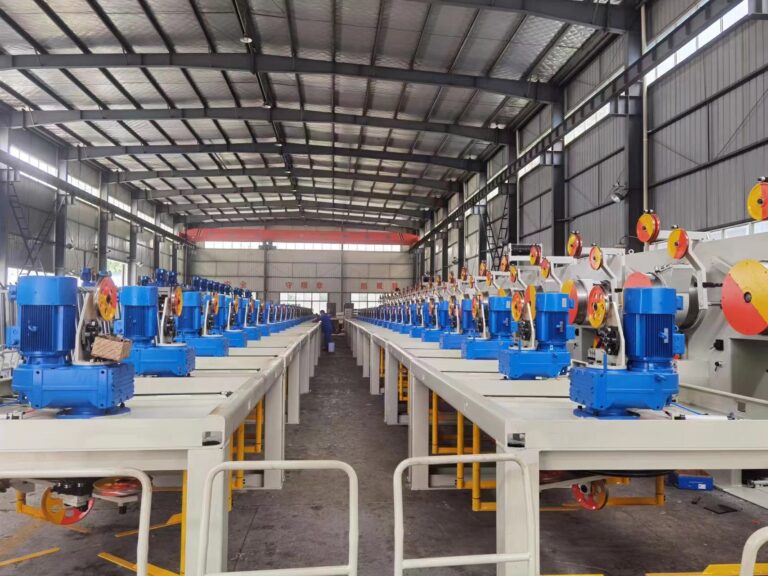
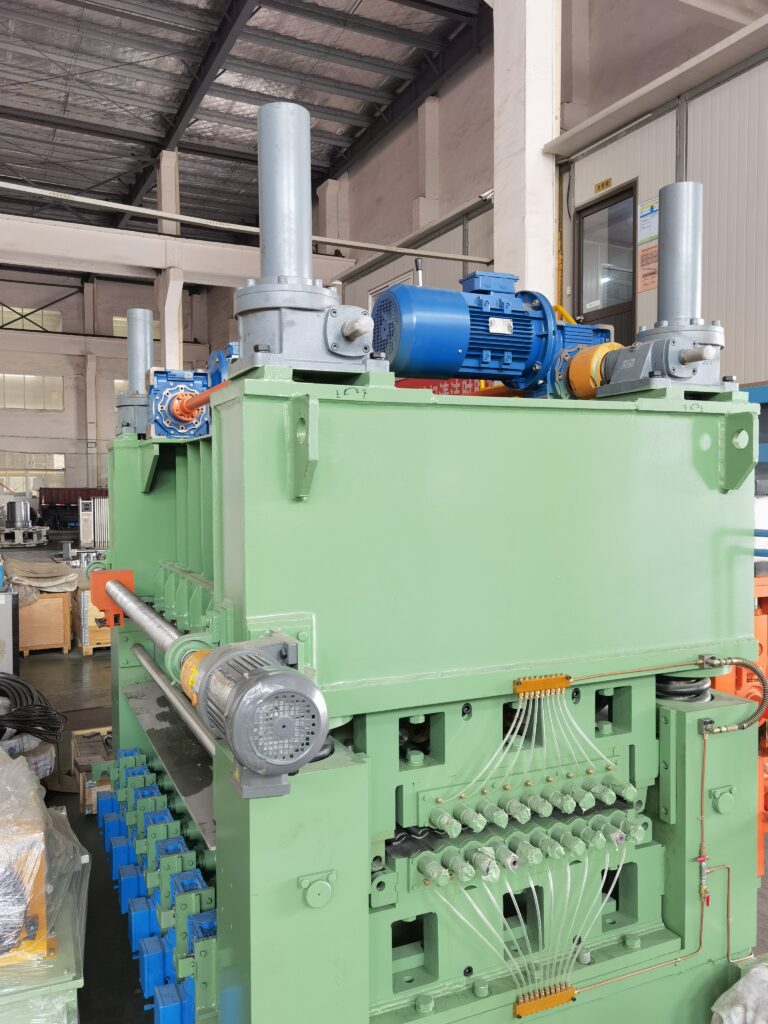
In many textile machines, engineers use multiple screw jacks, connecting shafts, couplings, and steering gearboxes to build a mechanical synchronous lifting system. This structure allows one drive source to move several lifting points at the same time.
Why Textile Machinery Needs a Screw Jack Lifting System
Textile machinery often requires accurate mechanical adjustment during production and maintenance.
Common adjustment areas include:
- Roller height adjustment
- Fabric tension control
- Feeding mechanism adjustment
- Pressing mechanism alignment
- Machine frame leveling
- Maintenance positioning
- Process changeover
For short machines, one lifting point may be enough. However, for long textile equipment, one lifting point cannot support the full frame evenly.
Therefore, a multi-point screw jack lifting system becomes a practical solution.
It helps the equipment maintain:
- Better frame balance
- More stable fabric movement
- More accurate roller contact
- Lower vibration
- Easier maintenance adjustment
For general selection logic, refer to the Screw Jack Selection Guide.
Common Problems in Textile Machinery Lifting Systems
1. Uneven Lifting Across the Machine Frame
Long textile machines need several lifting points along the frame.
However, if each point moves differently, the frame may tilt or twist. This can create uneven mechanical stress and affect the fabric path.
In textile production, even a small height difference may cause:
- Uneven fabric tension
- Wrinkles
- Poor feeding accuracy
- Roller pressure difference
- Lower product consistency
Solution
Engineers can connect multiple screw jacks through shafts, couplings, and steering gearboxes.
This mechanical connection helps all lifting points move together. As a result, the frame keeps a more stable horizontal position during adjustment.
For multi-point design principles, see How to Size a Multi-Point Screw Jack Lifting System.
2. Side Load on the Screw Jack
A screw jack should mainly carry axial load.
However, in real textile equipment, poor guide design or frame deformation may create side load. This side load can push the screw sideways and increase friction.
Over time, this may cause:
- Screw wear
- Higher noise
- Vibration
- Reduced lifting accuracy
- Shorter service life
Solution
The lifting system should use proper guide structures.
For example, engineers can add:
- Linear guide rails
- Guide columns
- Strong frame supports
- Better mounting plates
As a result, the screw jack handles lifting force, while the guide structure handles side force. This design reduces wear and improves long-term reliability.
3. Synchronization Error During Adjustment
Textile equipment requires stable roller position and fabric path control.
If one lifting point moves faster than another, the whole frame may lose alignment. Therefore, synchronization plays a key role in textile machinery.
Solution
A mechanical synchronous lifting system can use:
- Screw jacks
- Connecting shafts
- Couplings
- Steering gearboxes
- One motor drive
- Limit switches
This structure reduces the chance of independent movement between lifting points.
In addition, engineers can use sensors or limit switches when the equipment requires position feedback and safety control.
4. Continuous Operation and Maintenance Pressure
Textile factories often run equipment for long hours.
Although the lifting system may not move continuously, it must remain reliable during repeated adjustment and long production cycles.
Common maintenance issues include:
- Poor lubrication
- Dust contamination
- Loose couplings
- Bearing wear
- Screw surface wear
Solution
Maintenance teams should build a regular inspection plan.
They should check:
- Lubrication condition
- Coupling tightness
- Screw surface condition
- Shaft alignment
- Abnormal noise
- Temperature rise
In addition, engineers should consider the working environment during selection. Textile plants may contain fiber dust, oil mist, and long operating hours. Therefore, sealing, lubrication, and easy maintenance access matter.
For related failure analysis, read Common Screw Jack Problems and Troubleshooting Guide.
Key Components in a Textile Machinery Screw Jack Lifting System
A complete screw jack lifting system for textile machinery usually includes several parts.
Screw Jacks
Screw jacks provide vertical lifting force and accurate height adjustment.
Connecting Shafts
Connecting shafts transfer power from one lifting point to another.
Couplings
Couplings connect shafts and help compensate for small alignment differences.
Steering Gearboxes
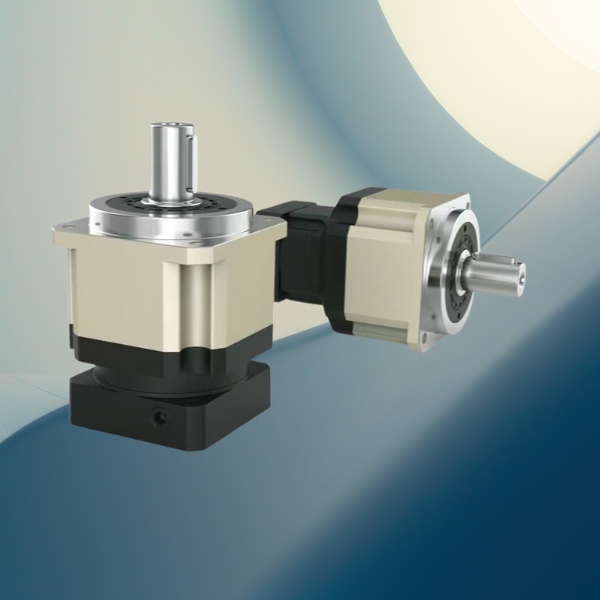
Steering gearboxes change the direction of power transmission and help build multi-point layouts.
Motor and Control System
The motor provides power, while the control system manages lifting direction, position, and safety logic.
Together, these components create a stable mechanical lifting system for long textile equipment.
How to Select a Screw Jack Lifting System for Textile Machinery
Correct selection should start from the real working condition.
Engineers should check:
Load Capacity
The system must support the machine frame, rollers, tooling, and working load.
However, engineers should not simply divide the total load by the number of screw jacks. Instead, they should also consider uneven load, center of gravity, and safety factor.
Stroke Length
The stroke must match the required adjustment range.
If the stroke is long, engineers should check screw stability and buckling risk.
Lifting Speed
Textile equipment usually does not require very high lifting speed.
Therefore, stable movement and accurate positioning often matter more than speed.
Duty Cycle
Engineers should confirm how often the lifting system moves.
Frequent adjustment requires better lubrication and stronger thermal consideration.
Installation Space
Textile machines often have limited space under the frame.
Therefore, compact screw jack and shaft layouts help simplify machine design.
Why Mechanical Synchronization Works Well in Textile Equipment
Mechanical synchronization fits many textile machinery applications because it provides stable, simple, and repeatable movement.
Compared with using many independent actuators, a mechanically linked screw jack system can reduce control complexity.
It also helps the machine maintain a more consistent height across several lifting points.
However, the system still needs accurate installation. If the shafts, couplings, or gearboxes are misaligned, the lifting system may produce vibration or uneven load.
Therefore, good installation is as important as good product selection.
Safety Considerations for Textile Machinery Lifting Systems
A lifting system should not only move the frame. It should also protect equipment and operators.
Important safety points include:
- Mechanical strength
- Limit protection
- Emergency stop design
- Overload prevention
- Safe maintenance access
- Guarding for rotating shafts
For general machinery safety principles, engineers can refer to ISO 12100 Safety of Machinery.
For broader textile industry technical context, organizations such as The Textile Institute provide professional resources related to textile technology and industry development.
Related Applications
The same lifting system logic also applies to:
- Fabric coating machines
- Textile finishing machines
- Laminating machines
- Nonwoven equipment
- Roller adjustment systems
- Long-frame production equipment
- Conveyor height adjustment systems
Related internal reading:
NUODUN Products
Screw Jack Selection Guide
Multi-Point Screw Jack Lifting System
Conclusion
A Screw Jack Lifting System for Textile Machinery helps long-frame equipment achieve stable height adjustment, synchronized lifting, and accurate roller alignment.
In textile production, small mechanical errors can affect fabric tension, roller pressure, and final product quality. Therefore, engineers should pay attention to load distribution, guide structure, synchronization, lubrication, and maintenance access.
A good lifting system does more than move the machine frame.
It helps maintain fabric quality, equipment stability, and production efficiency.