whatsapp:+86 13622680352



Gear Reducer Failures: Common Causes, Troubleshooting Methods, and Preventive Maintenance Guide
Gear reducer failures are most commonly caused by bearing damage, lubrication problems, gear wear, oil seal leakage, overheating, and improper gearbox selection. Most gearbox failures can be prevented through proper lubrication, routine inspections, correct sizing, and preventive maintenance.
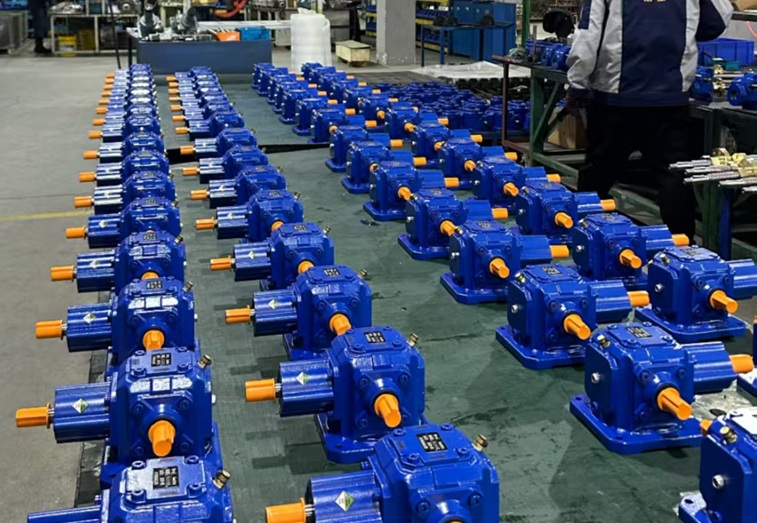
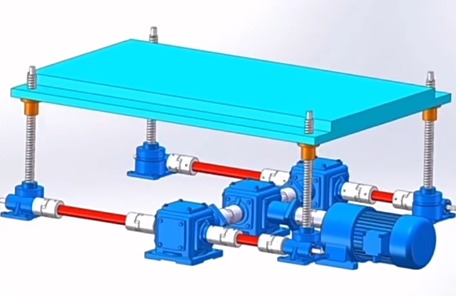
Industrial gear reducers are widely used in conveyors, mixers, lifting systems, packaging equipment, mining machinery, wastewater treatment, steel plants, and automated production lines. Whether you are using a worm gear reducer, helical gearbox, or planetary gearbox, understanding the root causes of failure helps reduce downtime and maintenance costs.
If you’re selecting a new gearbox or replacing an existing unit, it’s important to choose the right solution for your application. Learn more about Nuodun Drive’s complete Gear Reducer range:
https://nuodundrive.com/product-category/gear-reducer/
What Are the Most Common Gear Reducer Failures?
Most industrial gearbox failures fall into six categories:
- Bearing failure
- Lubrication failure
- Gear tooth wear
- Oil seal leakage
- Overheating
- Incorrect gearbox selection
Although these issues appear different, they usually develop gradually rather than occurring suddenly.
1. Bearing Failure
Bearings support both radial and axial loads inside a gearbox. Once damaged, vibration and noise quickly increase.
Typical Symptoms
- Abnormal noise
- Excessive vibration
- Rising operating temperature
- Shaft movement
- Reduced transmission efficiency
Common Causes
- Insufficient lubrication
- Contaminated oil
- Shaft misalignment
- Continuous overload
- Normal fatigue
Recommended Solution
Replace damaged bearings promptly, inspect shaft alignment, and always use the lubricant recommended by the gearbox manufacturer.
For worm gear applications, selecting the appropriate gearbox design is equally important:
https://nuodundrive.com/product-category/worm-gear-reducer/
2. Lubrication Problems
Lubrication is one of the biggest factors affecting gearbox lifespan.
Common lubrication issues include:
- Low oil level
- Incorrect oil viscosity
- Oil contamination
- Delayed oil replacement
- Excessive operating temperature
Without adequate lubrication, friction increases rapidly, accelerating bearing and gear wear.
According to SKF, proper lubrication is one of the most effective ways to extend bearing service life:
https://www.skf.com/
3. Gear Wear
Worm gear reducers operate with continuous sliding contact, making lubrication especially important.
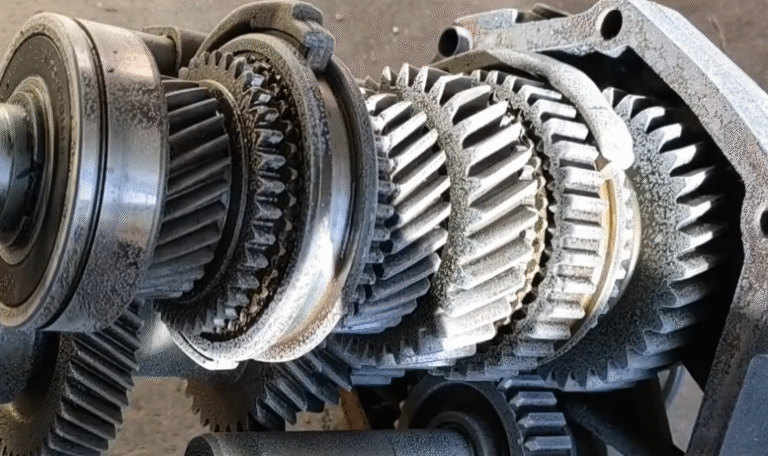
Typical damage includes:
- Tooth wear
- Pitting
- Scoring
- Broken teeth
As gears wear, efficiency decreases while vibration and operating noise increase.
Routine oil analysis and scheduled inspections can detect early wear before catastrophic failure occurs.
4. Oil Seal Leakage
Oil leakage is often the earliest visible warning sign.
Common causes include:
- Worn oil seals
- Shaft wear
- Improper installation
- Excessive internal pressure
Ignoring small leaks usually leads to lubricant loss and expensive internal repairs.
5. Gearbox Overheating
High operating temperatures significantly reduce gearbox life.
Possible causes include:
- Continuous overload
- Poor ventilation
- Incorrect reduction ratio
- Insufficient lubrication
- High ambient temperature
Temperature monitoring should always be included in a preventive maintenance program.
Choosing the Right Gear Reducer
Many gearbox failures begin long before installation because the gearbox was incorrectly selected.
Engineers should always evaluate:
- Output torque
- Service factor
- Working hours
- Starting frequency
- Installation position
- Ambient conditions
- Shock loads
For heavy-duty applications requiring higher efficiency and torque density, helical gear reducers are often a better choice:
https://nuodundrive.com/product-category/helical-gear-reducer/
Applications requiring compact high torque may benefit from planetary gearboxes:
https://nuodundrive.com/product-category/planetary-gearbox/
Preventive Maintenance Checklist
Routine maintenance remains the most cost-effective strategy for preventing gearbox failure.
Recommended inspection items include:
- Check gearbox oil level regularly.
- Replace lubricant according to schedule.
- Monitor operating temperature.
- Measure vibration periodically.
- Inspect oil seals for leakage.
- Verify shaft alignment.
- Avoid continuous overload operation.
International gearbox design and maintenance standards published by the American Gear Manufacturers Association (AGMA) also provide valuable engineering guidance:
https://agma.org/
In addition, gearbox manufacturers commonly reference ISO mechanical transmission standards when designing industrial gear reducers:
https://www.iso.org/
Why Reliable Gear Reducers Reduce Downtime
A quality industrial gear reducer should provide:
- Stable torque transmission
- Long bearing life
- High transmission efficiency
- Reliable sealing performance
- Low maintenance requirements
- Consistent operation under heavy-duty conditions
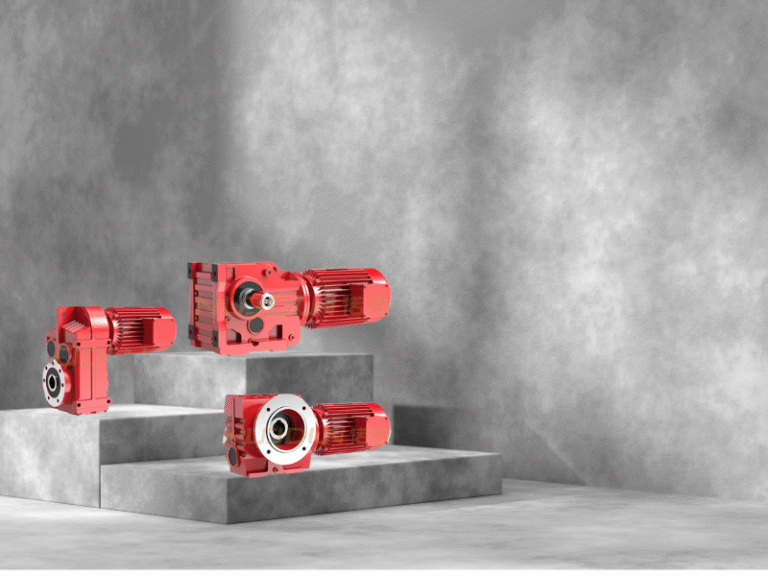
At Nuodun Drive, we manufacture industrial gear reducers, worm gearboxes, helical gear reducers, planetary gearboxes, and gear motors for customers worldwide. Combining proper gearbox selection with preventive maintenance helps maximize equipment reliability while minimizing unexpected downtime.
Learn more about Nuodun Drive and our complete power transmission solutions:
https://nuodundrive.com/about/
Frequently Asked Questions
What is the most common cause of gear reducer failure?
Bearing damage and lubrication problems account for the majority of industrial gearbox failures.
How often should gearbox oil be replaced?
Replacement intervals depend on operating conditions, temperature, load, and lubricant type. Always follow the manufacturer’s maintenance recommendations.
Can overheating permanently damage a gearbox?
Yes. Excessive heat accelerates lubricant degradation, bearing wear, gear tooth damage, and seal failure.
How can gearbox life be extended?
Regular lubrication, routine inspection, proper gearbox sizing, shaft alignment, and preventive maintenance are the most effective ways to maximize gearbox service life.