whatsapp:+86 13622680352



Gear Screw Jack System for Furnace Door Control in Thermal Power Plants
A Gear Screw Jack for Furnace Door Control helps thermal power plants achieve stable furnace door opening, closing, lifting, and positioning.
In boiler and furnace systems, the furnace door works under heavy load, high temperature, dust, vibration, and repeated operating cycles. Therefore, the door control system must provide slow movement, high torque, accurate positioning, and reliable holding force.
In this application, engineers use a motor, gear reducer, and gear screw jack system to convert rotary motion into controlled linear movement. This structure allows the furnace door to move smoothly and stop safely at the required position.
Why Furnace Door Control Needs a Gear Screw Jack System
A furnace door is not a normal machine cover.
It may need to handle:
- Heavy door weight
- High starting resistance
- Thermal expansion
- Dust and ash
- Sealing pressure
- Repeated opening and closing
- Maintenance access requirements
- Safety risks near high-temperature areas
If the furnace door cannot move smoothly or close correctly, the plant may face heat loss, poor sealing, difficult maintenance, or equipment safety problems.
A gear screw jack system helps solve these issues because it offers high thrust, stable motion, and good position holding.
What Does the Gear Reducer Do in Furnace Door Control?
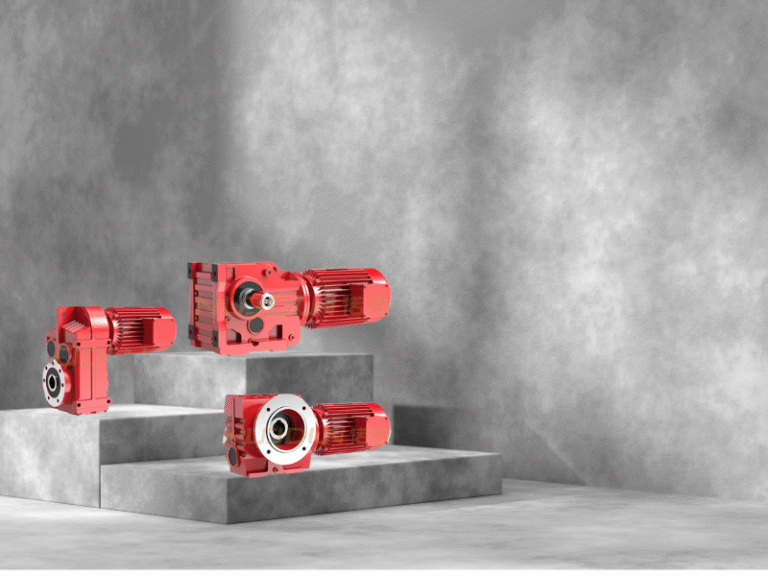
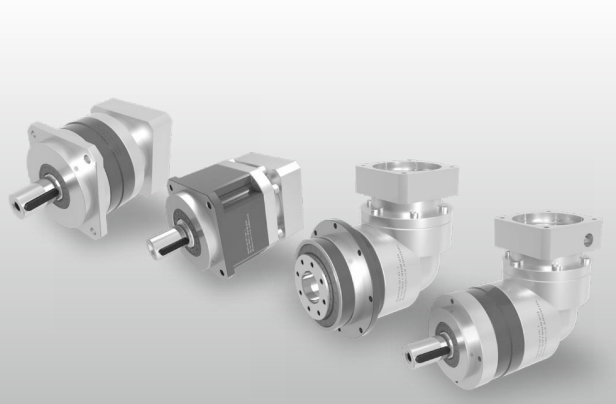
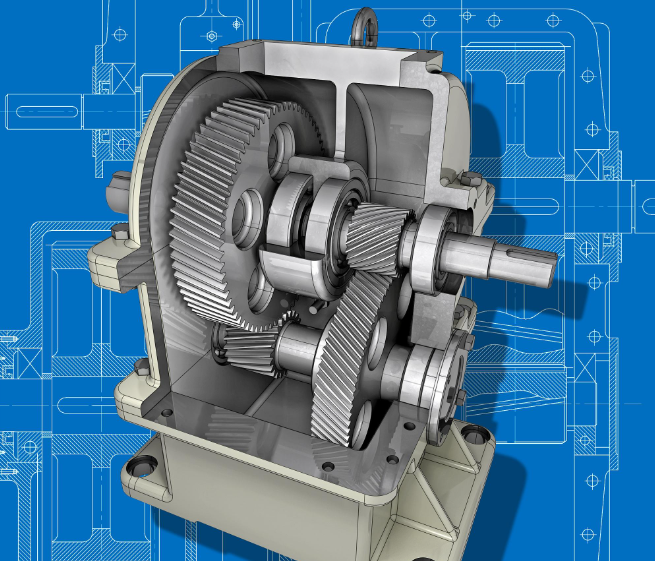
The gear reducer connects with the motor and reduces motor speed.
At the same time, it increases output torque. This is important because furnace doors usually need slow, powerful, and controlled movement.
The gear reducer helps the furnace door system achieve:
- Lower output speed
- Higher output torque
- Smooth start and stop
- Reduced shock load
- Better motion control
- More stable door movement
Without proper speed reduction, the furnace door may move too fast, stop too sharply, or create vibration during operation.
Related internal reading:
Gear Motor & Gearbox in Chemical Powder Processing Systems
What Does the Gear Screw Jack Do in Boiler Furnace Door Systems?
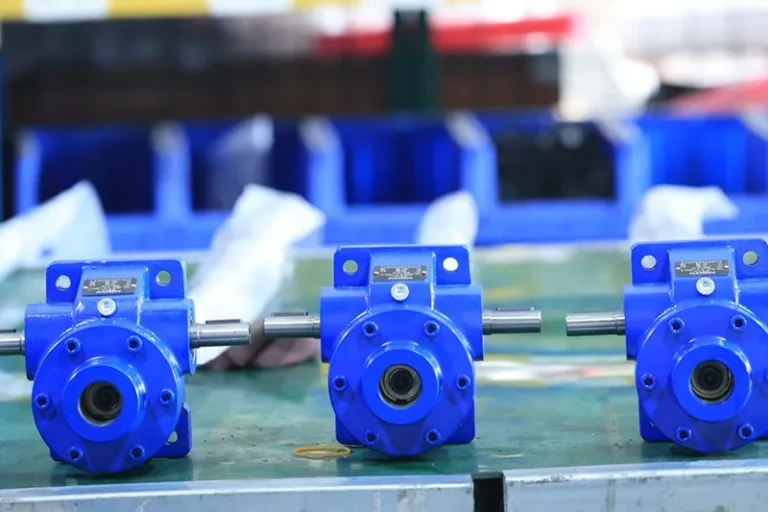
The gear screw jack converts rotary motion into linear movement.
In furnace door control, it can help:
- Lift the furnace door
- Push or pull the door mechanism
- Hold the door position
- Adjust closing pressure
- Support sealing alignment
- Improve maintenance access
Compared with simple manual operation, a gear screw jack system provides safer and more repeatable control.
Also, the screw structure gives strong mechanical support. This helps the furnace door remain stable after reaching the required position.
Common Problems in Furnace Door Control Systems
1. Heavy Load and High Starting Resistance
Furnace doors are often heavy. In addition, ash buildup, thermal deformation, and sealing friction may increase starting resistance.
If the drive system cannot provide enough torque, the door may move slowly, jam, or fail to open.
Solution
Engineers should check:
- Door weight
- Required thrust
- Starting torque
- Gear reducer ratio
- Motor power
- Screw jack capacity
- Safety factor
The selection should consider real working conditions, not only rated load.
2. High-Temperature Working Environment
Thermal power plant furnace areas can expose mechanical parts to heat, dust, and vibration.
High temperature may cause:
- Lubricant aging
- Seal hardening
- Bearing wear
- Gearbox overheating
- Electrical component risk
Solution
The design should consider:
- Proper distance from heat source
- Heat-resistant lubrication
- Protective covers
- Good sealing structure
- Regular inspection
- Suitable motor protection
For general machinery risk assessment and safety design, engineers can refer to ISO 12100 Safety of Machinery.
3. Poor Furnace Door Sealing
Furnace door sealing matters because poor sealing may cause heat loss, air leakage, unstable combustion conditions, or safety risks.
If the lifting or closing mechanism moves unevenly, the door may not contact the sealing surface correctly.
Solution
The gear screw jack system should provide controlled linear movement and stable closing force.
Engineers should also check:
- Door guide structure
- Hinge or sliding mechanism
- Screw jack alignment
- Closing position
- Limit switch setting
- Frame stiffness
Good mechanical alignment helps improve sealing reliability.
4. Vibration and Shock During Door Movement
Furnace door systems may experience vibration because of poor alignment, sudden stop, overload, or loose transmission parts.
Vibration can cause:
- Bolt loosening
- Gear wear
- Screw wear
- Noise
- Poor positioning accuracy
- Shorter service life
Solution
The system should use a suitable gear ratio and controlled motor start-stop logic.
In addition, maintenance teams should inspect:
- Couplings
- Bearings
- Mounting bolts
- Gear reducer base
- Screw jack connection points
- Limit switches
Slow and stable motion helps reduce impact on the furnace door structure.
5. Maintenance Difficulty in Power Plant Equipment
Power plants often operate under strict production schedules. Therefore, equipment reliability matters.
If a furnace door control system fails, it may delay inspection, cleaning, repair, or boiler maintenance work.
Solution
Engineers should design the system with easy maintenance access.
A practical maintenance plan should include:
- Lubrication inspection
- Gearbox temperature check
- Screw surface inspection
- Seal condition check
- Motor current monitoring
- Abnormal noise inspection
- Limit switch testing
Preventive maintenance helps reduce unexpected downtime.
How to Select a Gear Screw Jack for Furnace Door Control
A correct selection should start from the door structure and operating process.
Load Capacity
The screw jack must handle the door weight, sealing force, friction, and dynamic load.
Stroke Length
The stroke must match the door opening and closing movement.
Gear Ratio
The gear ratio affects output speed and torque. In furnace door control, stable low-speed movement is usually more important than fast motion.
Duty Cycle
Engineers should check how often the door opens and closes. Repeated operation requires better lubrication and stronger thermal consideration.
Installation Layout
The system should fit the furnace door structure and leave enough space for inspection and maintenance.
Safety Factor
Because furnace door systems work near high-temperature areas, engineers should include a suitable safety factor during selection.
For related screw jack design logic, read:
Screw Jack Selection Guide
How to Size a Multi-Point Screw Jack Lifting System
Safety Considerations for Furnace Door Control
A furnace door control system should protect both equipment and operators.
Important safety points include:
- Emergency stop
- Limit switches
- Overload protection
- Mechanical guards
- Heat protection
- Manual emergency operation
- Clear maintenance space
- Position holding after power loss
For boiler and power plant safety context, engineers may also refer to resources from ASME Boiler and Pressure Vessel Code and OSHA Machine Guarding.
These references help remind designers that furnace door movement is part of a complete safety system.
Why Stable Furnace Door Motion Matters
In thermal power plants, the furnace door control system affects more than movement.
It supports:
- Safer maintenance access
- Better sealing performance
- Lower mechanical impact
- More reliable operation
- Reduced downtime risk
- Longer equipment service life
Therefore, the gear reducer, motor, and gear screw jack should work together as one complete motion system.
A good design does not simply open or close the door.
It controls movement, protects the structure, and improves long-term reliability.
Related Applications
The same transmission logic can also apply to:
- Boiler inspection doors
- Furnace cover lifting systems
- Ash handling equipment
- Metallurgical furnace doors
- Industrial kiln doors
- Heat treatment furnace doors
- Heavy-duty maintenance access systems
Related internal reading:
Screw Jack Selection Guide
Common Screw Jack Problems and Troubleshooting Guide
NUODUN Products
Conclusion
A Gear Screw Jack for Furnace Door Control provides a practical motion solution for thermal power plant boiler and furnace systems.
It helps solve common problems such as heavy door load, high starting resistance, poor sealing, high temperature, vibration, and maintenance difficulty.
By combining a motor, gear reducer, and gear screw jack, the furnace door system can achieve slow movement, high torque, stable positioning, and safer operation.
In power plant equipment, reliable transmission is not only about moving a door.
It is about protecting safety, supporting maintenance, and keeping the system stable over long operating cycles.