whatsapp:+86 13622680352


Gear Reducer and Screw Jack for Chemical Fiber Equipment
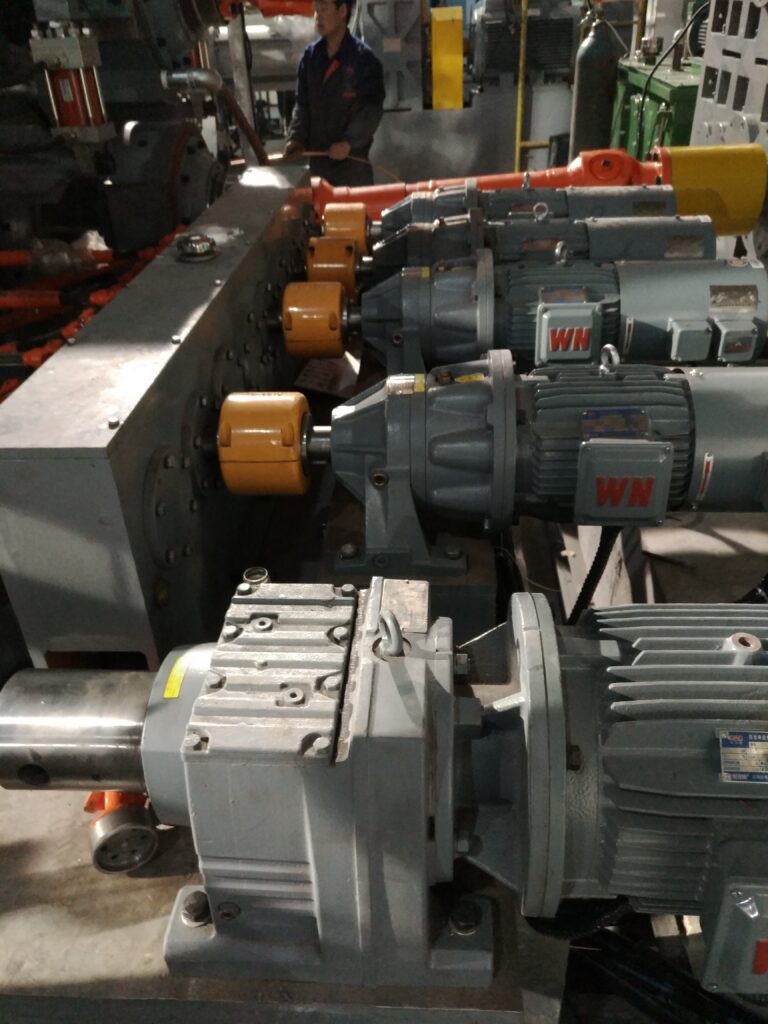
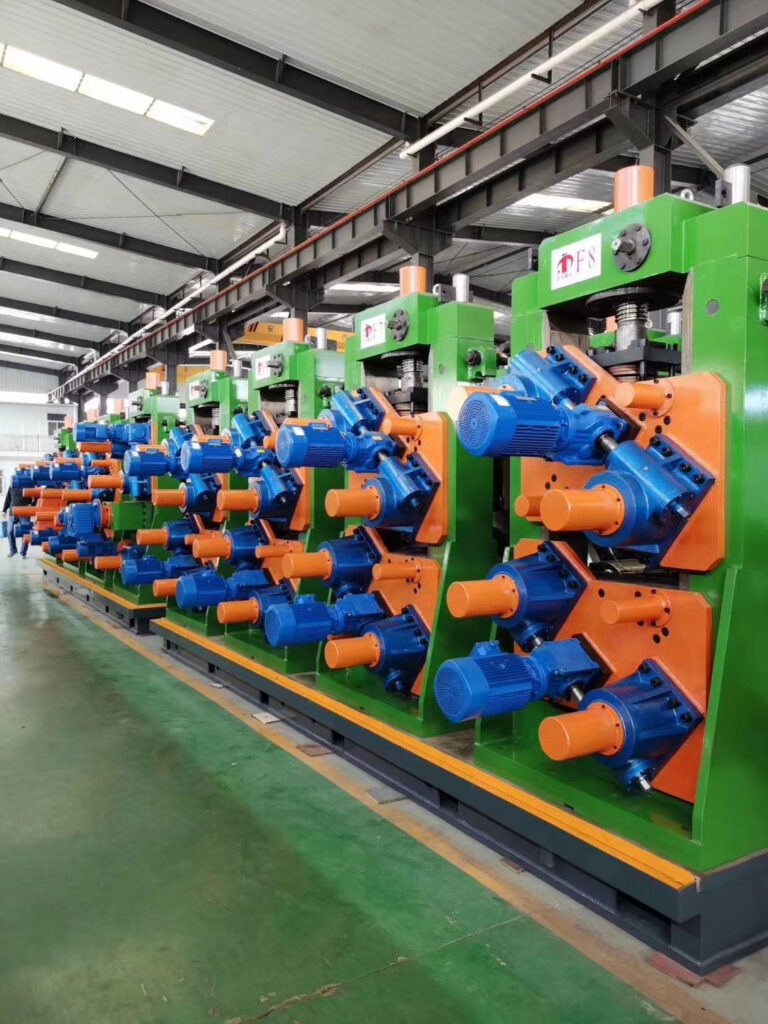
A Gear Reducer for Chemical Fiber Equipment plays an important role in large roller systems, fabric processing machines, winding equipment, coating lines, and textile finishing machines.
Chemical fiber production equipment often works with wide rollers, long frames, heavy structures, and continuous production loads. Therefore, the transmission system must provide stable torque, smooth rotation, accurate adjustment, and reliable operation over long working hours.
In this type of machine, large gear reducers usually drive roller systems, while screw jack lifting systems help adjust roller height, frame position, or working gap. Together, these components support process stability and reduce mechanical risk.
Why Chemical Fiber Equipment Needs Large Gear Reducers
Chemical fiber equipment often uses large rollers to guide, press, stretch, coat, laminate, or wind materials.
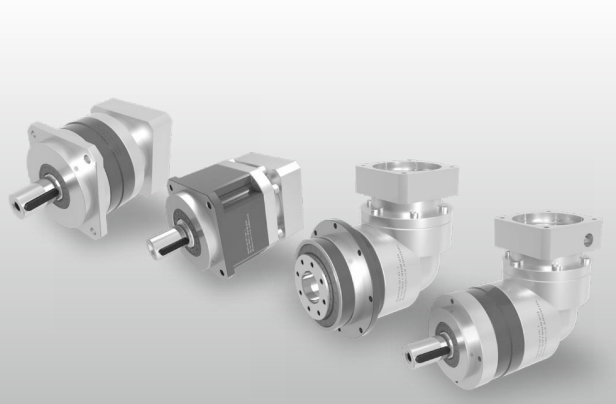
A motor alone usually cannot provide the required low-speed, high-torque output. Therefore, engineers use a gear reducer to reduce motor speed and increase output torque.
A suitable gear reducer helps the roller system achieve:
- Stable low-speed rotation
- High output torque
- Smooth start and stop
- Lower vibration
- Better tension control
- More stable production quality
If the reducer selection is wrong, the equipment may face roller vibration, unstable tension, overheating, gear wear, or unexpected downtime.
What Problems Exist in Chemical Fiber Production Machines?
1. Roller Vibration
Large rollers create inertia during startup and speed change.
If the reducer cannot provide stable torque, the roller may vibrate or run unevenly. As a result, the material may experience unstable tension, wrinkles, or uneven processing.
Solution
Engineers should check:
- Output torque
- Gear ratio
- Service factor
- Motor power
- Roller diameter
- Roller weight
- Acceleration requirements
A correctly selected reducer helps the roller start smoothly and maintain stable rotation.
2. Unstable Material Tension
Chemical fiber production often depends on stable material tension.
If the roller speed changes suddenly, the material path may become unstable. This can affect stretching, coating, winding, laminating, or surface treatment quality.
Solution
The drive system should provide smooth speed reduction and stable torque output.
In some machines, the motor control system also needs speed feedback or tension feedback. However, the mechanical reducer still plays a key role because it provides the basic torque and speed foundation.
3. Heavy Frame Adjustment
Large chemical fiber machines often need height adjustment during production setup, process changeover, or maintenance.
For example, operators may need to adjust:
- Roller gap
- Pressing height
- Feeding position
- Machine frame level
- Working platform position
- Maintenance access height
Manual adjustment is slow and difficult for large equipment. Therefore, screw jack lifting systems are often used to support stable and repeatable adjustment.
Screw Jack Lifting System in Chemical Fiber Equipment
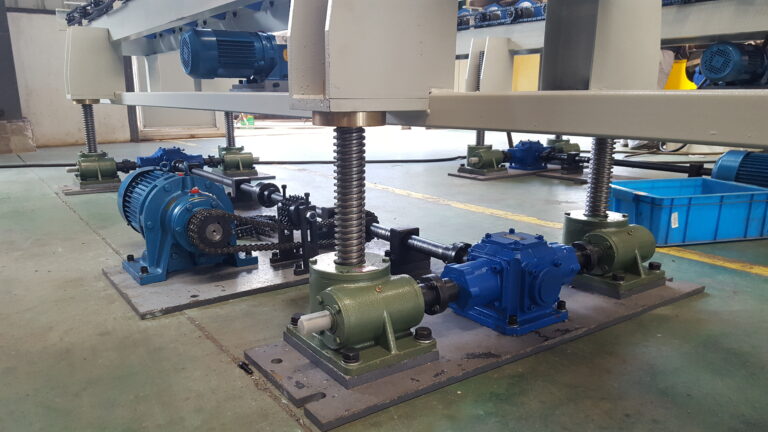
A screw jack lifting system converts rotary motion into linear lifting movement.
In chemical fiber equipment, screw jacks can help lift or adjust heavy roller frames and machine structures.
This system provides several advantages:
- Strong vertical load support
- Stable height adjustment
- Accurate positioning
- Better repeatability
- Easier maintenance adjustment
- Safer operation than manual lifting
For long-frame equipment, engineers may use multiple screw jacks together. This helps keep the roller frame level during adjustment.
Related internal reading:
Screw Jack Selection Guide
How to Size a Multi-Point Screw Jack Lifting System
Common Problems in Screw Jack Lifting Systems
1. Uneven Lifting
If one lifting point moves faster or carries more load than others, the frame may tilt.
This can cause:
- Roller misalignment
- Uneven pressure
- Mechanical stress
- Poor product consistency
- Faster screw wear
Solution
Engineers should consider multi-point synchronization, guide structure, load balance, and safety factor.
In addition, they should not simply divide the total load by the number of screw jacks. Instead, they should check the most heavily loaded point.
2. Side Load on Screw Jacks
A screw jack should mainly carry axial load.
However, large chemical fiber machines may create side force because of frame deformation, roller pressure, or poor guide design.
Side load may cause:
- Screw wear
- Higher friction
- Noise
- Vibration
- Reduced service life
Solution
The machine should use guide rails, guide columns, or strong frame supports. The screw jack should lift the load, while the guide system should handle side force.
3. Lubrication and Heat Problems
Chemical fiber equipment may run for long hours.
Gear reducers and screw jacks need proper lubrication during long production cycles. Poor lubrication can increase friction, temperature, wear, and noise.
Solution
Maintenance teams should check:
- Oil level
- Grease condition
- Seal condition
- Reducer temperature
- Screw surface
- Bearing condition
- Abnormal noise
Good lubrication helps extend service life and reduce downtime.
How to Select a Gear Reducer for Chemical Fiber Equipment
A correct selection should start from the machine process, not only the motor power.
Output Torque
The reducer must provide enough torque for roller startup and continuous operation.
Gear Ratio
The ratio determines output speed and torque. For roller systems, stable and controlled speed usually matters more than high speed.
Service Factor
Chemical fiber machines often run for long hours. Therefore, engineers should select a suitable service factor for continuous-duty operation.
Installation Space
Large machines may have limited space around the roller structure. The reducer must match the machine layout and mounting direction.
Working Environment
The environment may include fiber dust, oil mist, heat, humidity, and long operating cycles. Therefore, sealing and maintenance access also matter.
How to Select a Screw Jack for Chemical Fiber Equipment
For lifting systems, engineers should check:
Load Capacity
The screw jack must support the roller frame, tooling, and dynamic load.
Stroke Length
The stroke must match the required adjustment range.
Lifting Speed
Chemical fiber machines usually need stable lifting, not high-speed lifting.
Synchronization
If the system uses several screw jacks, engineers should design synchronization through shafts, couplings, bevel gearboxes, or control systems.
Safety
Limit protection, emergency stop, overload protection, and mechanical guards should be considered.
For general machinery safety design, engineers can refer to ISO 12100 Safety of Machinery, which covers risk assessment and risk reduction principles for machine design.
Why Stable Transmission Matters in Chemical Fiber Production
Chemical fiber equipment depends on stable motion.
If the transmission system is unstable, the machine may face:
- Uneven roller speed
- Material tension fluctuation
- Poor winding quality
- Roller vibration
- More maintenance work
- Higher downtime risk
Therefore, gear reducers and screw jacks are not only mechanical parts. They support production stability, process control, and product quality.
For wider textile industry context, organizations such as The Textile Institute focus on textile innovation, education, and global collaboration, while ITMF provides information and publications for the global textile industry.
Related Applications
The same transmission logic applies to many machines, including:
- Chemical fiber production lines
- Textile finishing machines
- Coating machines
- Laminating machines
- Roller pressing systems
- Winding and unwinding equipment
- Nonwoven production equipment
- Industrial fabric processing machines
Related internal reading:
Gear Motor & Gearbox in Chemical Powder Processing Systems
Screw Jack Selection Guide
NUODUN Products
Conclusion
A Gear Reducer for Chemical Fiber Equipment helps large roller systems achieve stable torque output, smooth speed control, and reliable long-term operation.
At the same time, screw jack lifting systems help adjust roller height, frame position, working gaps, and maintenance positions.
In chemical fiber production, the main challenges include heavy roller loads, tension stability, roller alignment, vibration, lubrication, and long working cycles.
A well-designed transmission and lifting system helps reduce downtime, improve process consistency, and support stable production quality.