whatsapp:+86 13622680352



Screw Jack Lifting System Application in Glass Tempering Furnace Equipment
A screw jack lifting system plays an important role in glass tempering furnace equipment where precision positioning, stable movement, and long-term reliability are essential.
Glass tempering production requires strict control of temperature, movement speed, and equipment alignment. During operation, even small mechanical errors can influence glass quality, production efficiency, and equipment life.
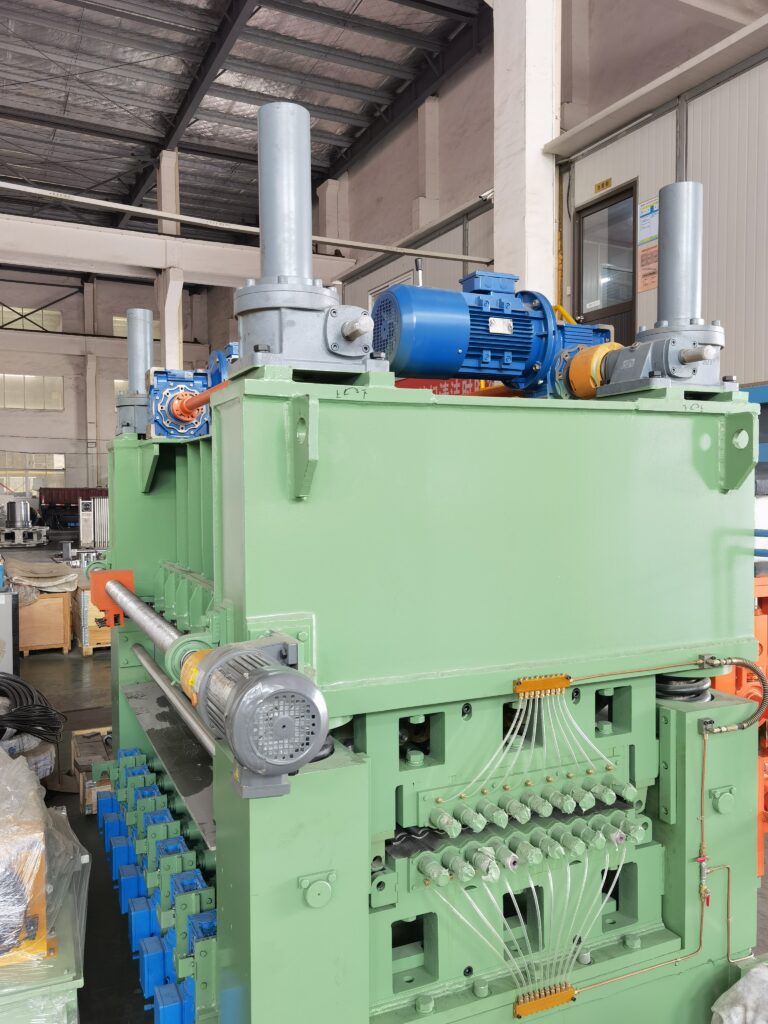
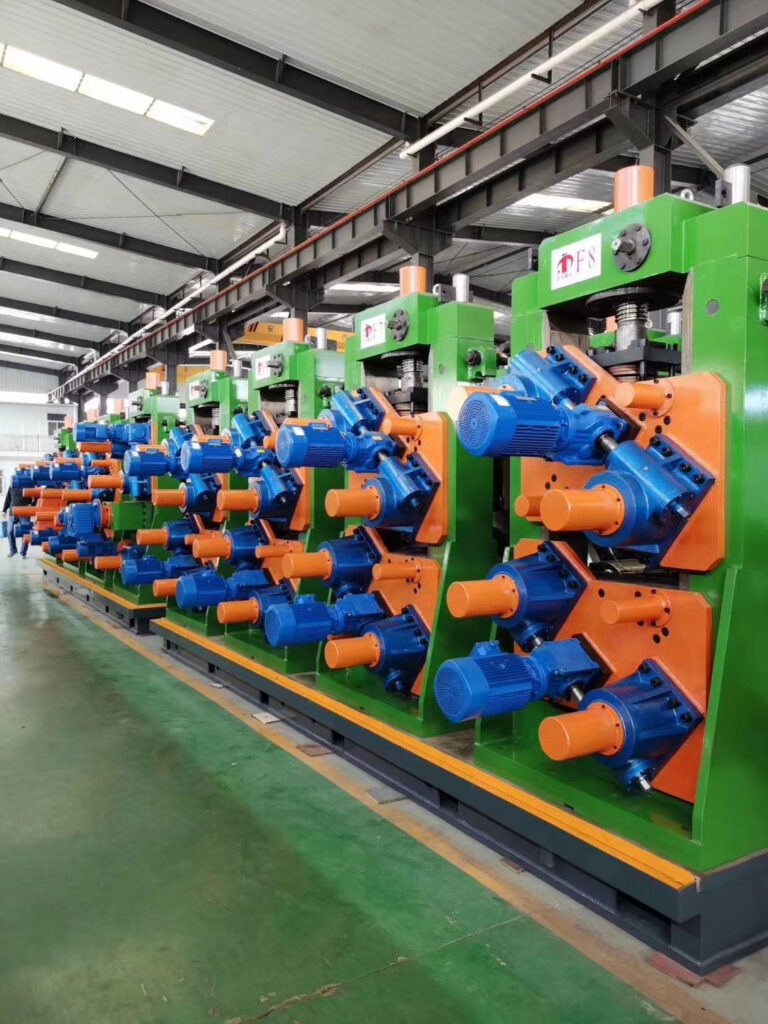
Therefore, many glass processing machines use a synchronized screw jack lifting system combined with bevel gearboxes, connecting shafts, and motors to achieve accurate mechanical adjustment.
Why Does Glass Tempering Equipment Need a Screw Jack Lifting System?
A glass tempering furnace contains many mechanical structures that require accurate adjustment.
For example:
- Heating section adjustment
- Conveyor height adjustment
- Roller position adjustment
- Equipment leveling
- Maintenance positioning
Traditional lifting methods may face problems such as uneven movement, poor accuracy, and difficult maintenance.
A mechanical screw jack lifting system provides:
- Accurate vertical movement
- Stable load support
- Synchronized lifting
- Compact installation
- Long service life
Because of these advantages, screw jack systems are widely used in industrial positioning and lifting applications.
You can explore NUODUN screw jack solutions here:
Common Challenges in Glass Tempering Furnace Lifting Systems
1. Uneven Movement Between Multiple Lifting Points
Large glass processing equipment often requires multiple lifting points.
However, if each point moves differently, the equipment structure may tilt.
This can create:
- Uneven mechanical stress
- Equipment vibration
- Positioning errors
- Reduced glass processing consistency
Solution: Synchronous Screw Jack System
Engineers usually connect multiple screw jacks through:
- Bevel gearboxes
- Connecting shafts
- Couplings
- Motor drive systems
This mechanical synchronization allows multiple lifting points to move together.
As a result, the equipment maintains better stability and positioning accuracy.
For multi-point lifting design, you can read:
How to Size a Multi-Point Screw Jack Lifting System
2. High Temperature Environment Challenges
Glass tempering furnaces operate under high temperatures.
This environment creates additional challenges for mechanical components:
- Lubricant performance reduction
- Material expansion
- Seal aging
- Faster component wear
Solution: Proper Mechanical Design
Engineers should consider:
- High-temperature lubrication
- Suitable sealing materials
- Correct installation distance from heat sources
- Regular maintenance plans
A screw jack system should not only provide lifting force but also maintain stable operation under difficult industrial conditions.
3. Continuous Production Requirements
Glass factories usually operate for long production cycles.
Unexpected equipment failure can cause:
- Production interruption
- Increased maintenance cost
- Lower productivity
Therefore, the lifting system needs high reliability.
A properly selected screw jack system helps provide:
- Stable transmission
- Lower maintenance frequency
- Reliable positioning
- Long operating life
For industrial transmission solutions, visit:
4. Precision Adjustment Requirements
Glass processing requires accurate equipment alignment.
Small position errors may affect:
- Glass transportation stability
- Roller alignment
- Production consistency
A screw jack lifting system converts rotary motion into controlled linear movement.
By combining screw jacks with gear reducers and control systems, manufacturers can achieve repeatable adjustment and accurate positioning.
How to Select the Right Screw Jack for Glass Processing Equipment?
Selecting a screw jack is not only about lifting capacity.
Engineers should evaluate:
Load Capacity
The system must handle the actual working load, including:
- Equipment weight
- Dynamic load
- Safety factor
Stroke Length
Long stroke applications require checking:
- Screw stability
- Buckling risk
- Guide structure
Lifting Speed
Higher speed requires checking:
- Motor power
- Gear ratio
- Heat generation
Duty Cycle
Continuous glass production requires checking:
- Operating frequency
- Running time
- Lubrication condition
Installation Layout
Engineers should consider:
- Mounting position
- Shaft arrangement
- Space limitation
- Maintenance access
For more detailed selection information:
Screw Jack System Structure for Glass Tempering Applications
A complete screw jack lifting system usually includes:
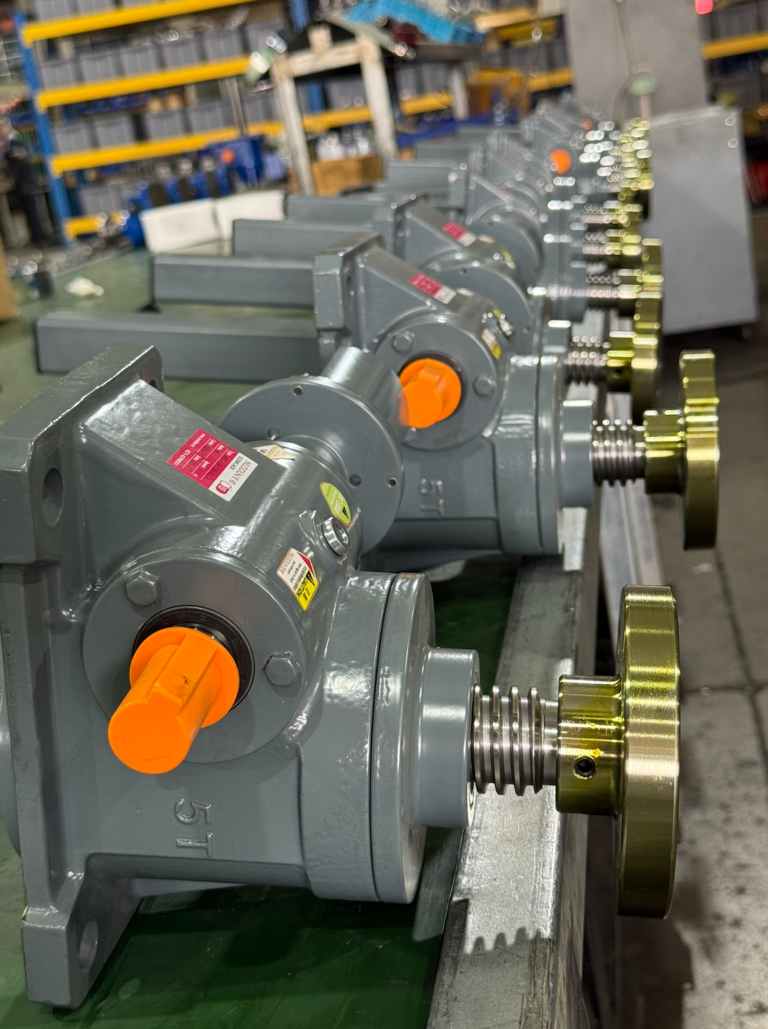
Screw Jacks
Provide mechanical lifting force and accurate positioning.
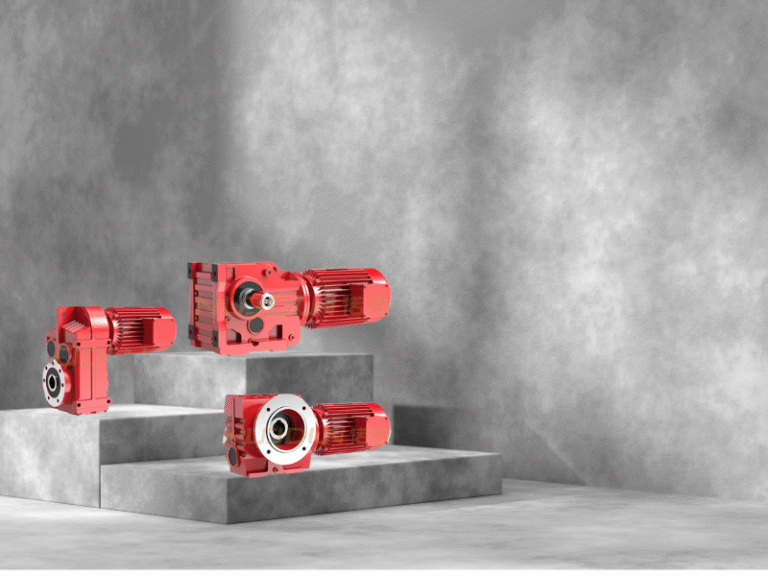
Bevel Gearboxes
Change transmission direction and connect multiple lifting points.
Connecting Shafts
Transfer power between different lifting positions.
Motor and Control System
Provide automatic operation and position control.
This complete system design allows manufacturers to create stable and synchronized lifting solutions.
Safety Considerations for Industrial Screw Jack Systems
A lifting system must consider safety during design and operation.
Important factors include:
- Load protection
- Mechanical strength
- Limit switches
- Emergency stop function
- Overload prevention
- Maintenance access
For general machinery safety principles, engineers can refer to:
This standard provides guidance on risk assessment and safe machine design.
Visit:
or contact:
Conclusion
A screw jack lifting system provides an effective solution for glass tempering furnace equipment that requires precise adjustment, synchronized movement, and long-term stability.
However, successful application depends on correct selection, proper installation, and complete system design.
By combining screw jacks, bevel gearboxes, motors, and control systems, manufacturers can achieve safer, more accurate, and more reliable glass processing equipment.
A reliable lifting system does not only move equipment.
It protects production quality and improves industrial efficiency.