whatsapp:+86 13622680352



Common Screw Jack Problems and Troubleshooting Guide for Industrial Lifting Systems
A screw jack is a reliable mechanical lifting solution used in industrial equipment, production lines, lifting platforms, and positioning systems. However, even a high-quality screw jack may experience problems if engineers select the wrong model, install it incorrectly, or operate it beyond its design conditions.
In industrial applications, screw jack problems usually come from several areas:
- Incorrect load selection
- Poor lubrication
- Misalignment
- Overload operation
- Excessive duty cycle
- Improper synchronization
Therefore, understanding common screw jack failures and their solutions helps users improve equipment reliability and reduce unexpected downtime.
At NUODUN Drive, we provide worm gear screw jacks, gear reducers, electric cylinders, and customized lifting solutions for industrial applications.
How Does a Screw Jack Work?
A screw jack converts rotary motion into linear movement through a worm gear mechanism and screw transmission.
The motor drives the worm shaft. Then, the worm wheel transfers torque to the screw mechanism. Finally, the screw moves vertically or horizontally to lift, push, pull, or position a load.
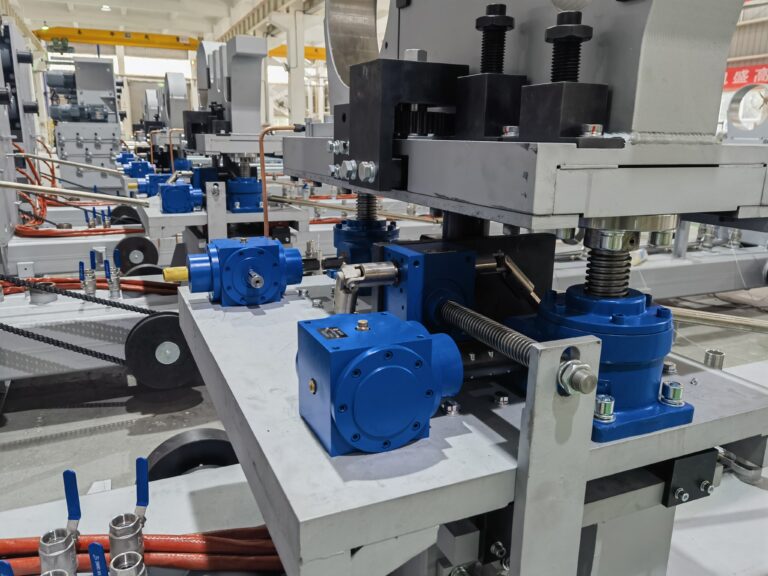
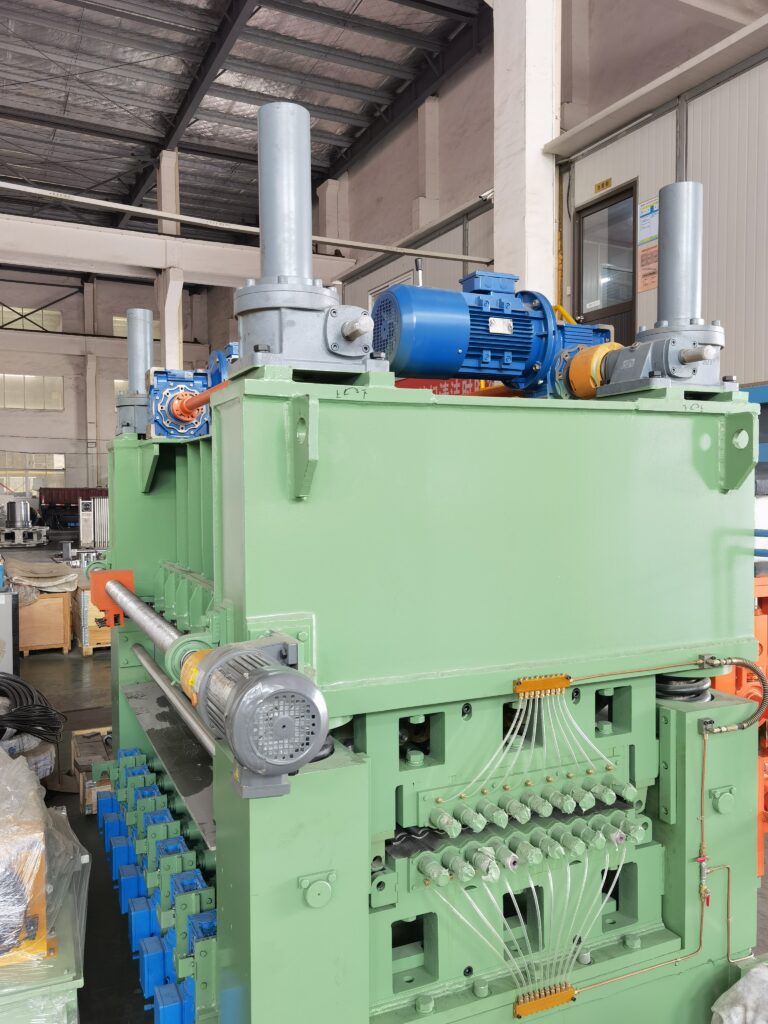
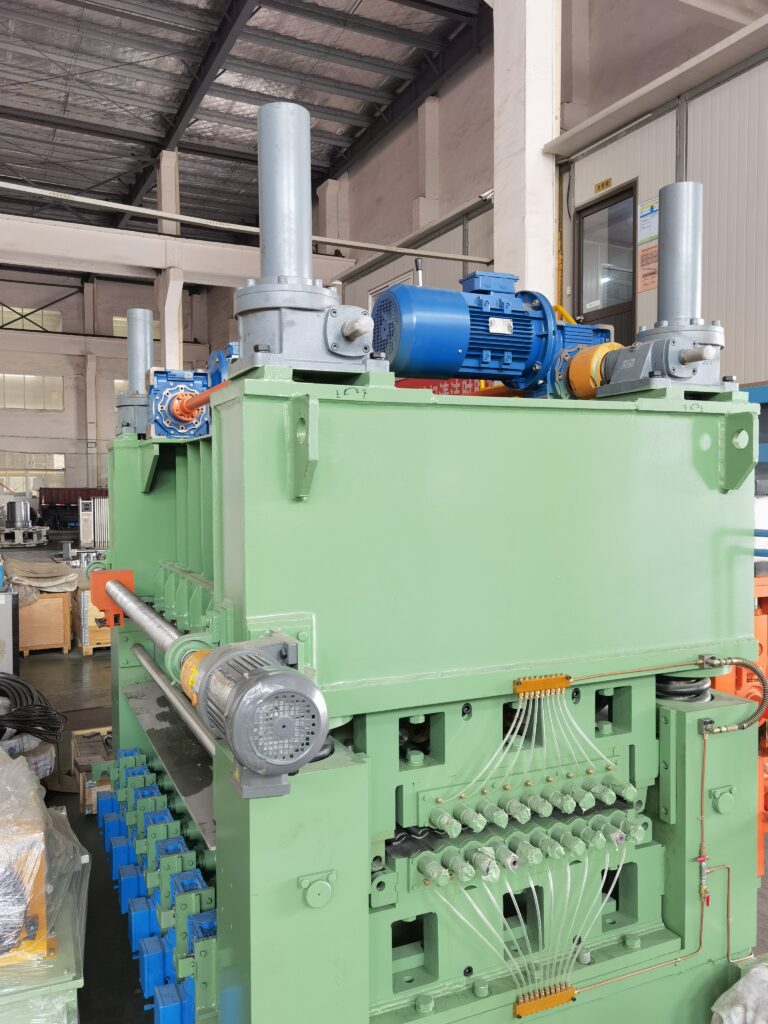
A typical screw jack system includes:
- Worm gear screw jack
- Motor
- Coupling
- Connecting shaft
- Bevel gearbox
- Control system
- Limit switches
Engineers use screw jack systems in:
- Industrial lifting platforms
- Machine height adjustment systems
- Metallurgical equipment
- Packaging machinery
- Automation systems
- Maintenance platforms
You can learn more about NUODUN screw jack products here:
Problem 1: Screw Jack Overheating
One of the most common screw jack problems is excessive temperature during operation.
When a screw jack runs hotter than expected, users may notice:
- Increased noise
- Reduced efficiency
- Lubricant deterioration
- Faster component wear
Common Causes
Overheating usually happens because of:
- Excessive load
- High working frequency
- Wrong lubricant
- Poor lubrication
- Incorrect model selection
- High ambient temperature
For example, a screw jack designed for intermittent operation may overheat if it works continuously in an automatic production line.
Solution
Engineers should check:
- Actual load
- Duty cycle
- Input speed
- Lubrication condition
- Installation environment
If the application requires frequent operation, users may need a larger screw jack model or a different transmission solution.
Problem 2: Screw Jack Noise and Vibration
Noise and vibration often indicate mechanical problems.
During operation, users may experience:
- Abnormal sound
- Uneven movement
- Increased vibration
- Reduced positioning accuracy
Common Causes
Possible reasons include:
- Poor installation alignment
- Worn worm gear
- Damaged bearings
- Insufficient lubrication
- Side load on the screw
A screw jack should mainly handle axial load. However, if the system applies side force to the screw, the screw may experience bending stress.
Solution
To reduce vibration:
- Check installation accuracy
- Improve guide structure
- Reduce side load
- Inspect bearings
- Replace worn components
For multi-point lifting systems, proper mechanical synchronization becomes even more important.
Read more about:
Multi-Point Screw Jack Lifting System
Problem 3: Screw Jack Cannot Lift the Rated Load
Sometimes users find that a screw jack cannot lift the expected load.
This problem does not always mean the product has failed.
Common Causes
The main reasons include:
Incorrect Load Calculation
Many users calculate capacity by simply dividing total load by the number of lifting points.
However, real systems often have uneven load distribution.
For example, one lifting point may carry more load because of:
- Center of gravity position
- Frame deformation
- Installation tolerance
Therefore, engineers should select capacity based on the highest loaded point and include a safety factor.
Insufficient Motor Torque
The screw jack may have enough static capacity but still fail during startup.
Starting conditions require checking:
- Starting torque
- Acceleration
- Load inertia
- Gear ratio
Solution
Engineers should review the complete system, including:
- Screw jack capacity
- Motor power
- Gear ratio
- Duty cycle
- Load condition
Problem 4: Screw Jack Lubrication Failure
Lubrication directly affects screw jack service life.
Poor lubrication may cause:
- Increased friction
- Screw wear
- Lower efficiency
- Higher temperature
- Gear damage
Common Causes
Lubrication problems often happen because of:
- Wrong lubricant type
- Insufficient lubricant
- Contaminated lubricant
- Long maintenance intervals
Solution
Users should:
- Select lubricant according to working condition
- Check lubrication regularly
- Keep the screw surface clean
- Follow maintenance schedules
For heavy-duty environments, engineers should consider dust protection, sealing, and lubrication requirements during selection.
Problem 5: Screw Jack Synchronization Problems
Many industrial machines use multiple screw jacks together.
Examples include:
- Large lifting platforms
- Furnace positioning systems
- Heavy machine leveling systems
- Production table adjustment systems
However, synchronization problems can cause:
- Uneven lifting
- Platform tilting
- Increased mechanical stress
- Reduced accuracy
Common Causes
Synchronization problems may come from:
- Different load distribution
- Incorrect gearbox ratio
- Poor shaft connection
- Motor control problems
- Installation errors
Solution
A complete synchronous lifting system may include:
- Multiple screw jacks
- Bevel gearboxes
- Connecting shafts
- Couplings
- Motors
- Encoders
- Control systems
Mechanical synchronization helps maintain stable movement between lifting points.
Problem 6: Screw Jack Screw Wear and Backlash
After long-term operation, users may notice:
- Increased clearance
- Reduced positioning accuracy
- Unstable movement
Common Causes
Possible reasons include:
- Long service time
- Excessive load
- Poor lubrication
- Contaminated working environment
Solution
Users should:
- Inspect screw condition regularly
- Check backlash
- Replace worn parts when necessary
- Improve lubrication management
For precision applications, engineers may choose ball screw solutions instead of traditional trapezoidal screws.
How to Prevent Screw Jack Problems?
Preventive maintenance is always better than emergency repair.
Users can improve screw jack reliability by following these steps:
1. Select the Correct Model
Before choosing a screw jack, engineers should confirm:
- Load capacity
- Stroke length
- Speed requirement
- Duty cycle
- Working environment
- Safety factor
A correct selection reduces most future problems.
You can also read:
2. Check Installation Accuracy
Correct installation affects:
- Load distribution
- Screw alignment
- Operating noise
- Service life
Engineers should check:
- Mounting position
- Shaft alignment
- Coupling connection
- Guide structure
3. Create Regular Maintenance Plans
A maintenance plan should include:
- Lubrication inspection
- Screw condition check
- Gearbox temperature monitoring
- Noise inspection
- Bolt tightening check
Regular inspection helps identify small problems before they become major failures.
Safety Considerations for Screw Jack Systems
A screw jack is part of a complete lifting system, not only a mechanical component.
Engineers should consider:
- Load safety
- Mechanical strength
- Emergency stop
- Limit protection
- Overload protection
- Operator safety
For machine safety design principles, engineers can refer to:
This standard provides general principles for machinery risk assessment and safety design.
Why Choose NUODUN Screw Jack Solutions?
NUODUN Drive provides:
- Worm gear screw jacks
- Ball screw jacks
- Gear reducers
- Bevel gearboxes
- Electric cylinders
- Customized lifting systems
Our engineering team supports customers with:
- Product selection
- Load calculation
- System design
- OEM customization
- Application support
Whether you need a single screw jack or a multi-point synchronized lifting system, NUODUN helps customers build reliable industrial motion solutions.
Visit:
or contact:
Conclusion
Screw jack problems usually do not happen suddenly. Most failures come from incorrect selection, poor maintenance, overload operation, lubrication issues, or installation problems.
By selecting the correct model, improving installation accuracy, and following regular maintenance practices, users can extend screw jack service life and improve equipment reliability.
A reliable screw jack is not only a lifting component.
It is a key part of a safe and efficient industrial motion system.