whatsapp:+86 13622680352



Gearbox Oil Leakage: Causes, Prevention, and Fast Repair Methods
Introduction
Gearbox oil leakage is one of the most common problems in industrial gear reducers. Many users first treat it as a small maintenance issue. However, if they ignore the oil leak, the gearbox may face poor lubrication, rising temperature, gear wear, bearing damage, and unexpected downtime.
In industrial equipment, a gearbox works under load for many hours every day. Therefore, stable lubrication plays a key role in transmission safety and service life. When oil leaks from the reducer, the machine may lose its protection layer between gears and bearings. As a result, friction increases, heat rises, and the whole drive system becomes less reliable.
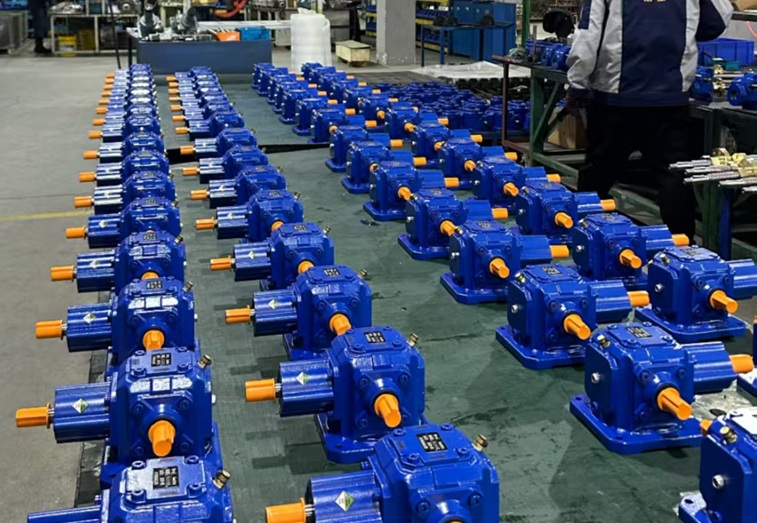
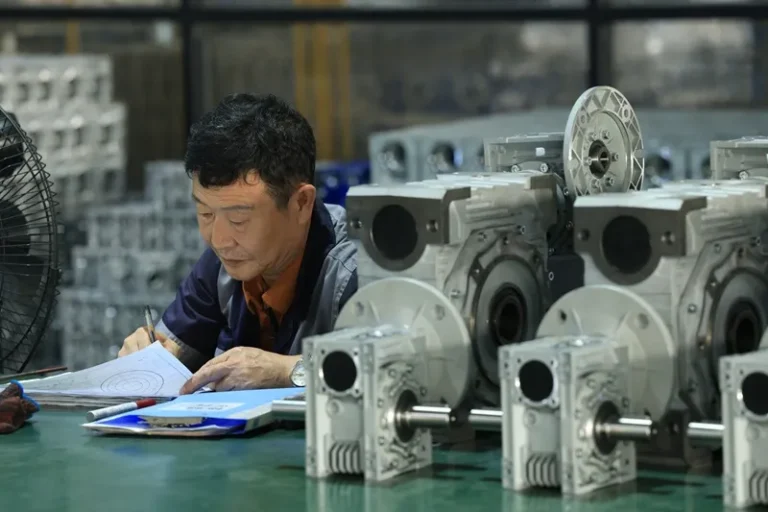
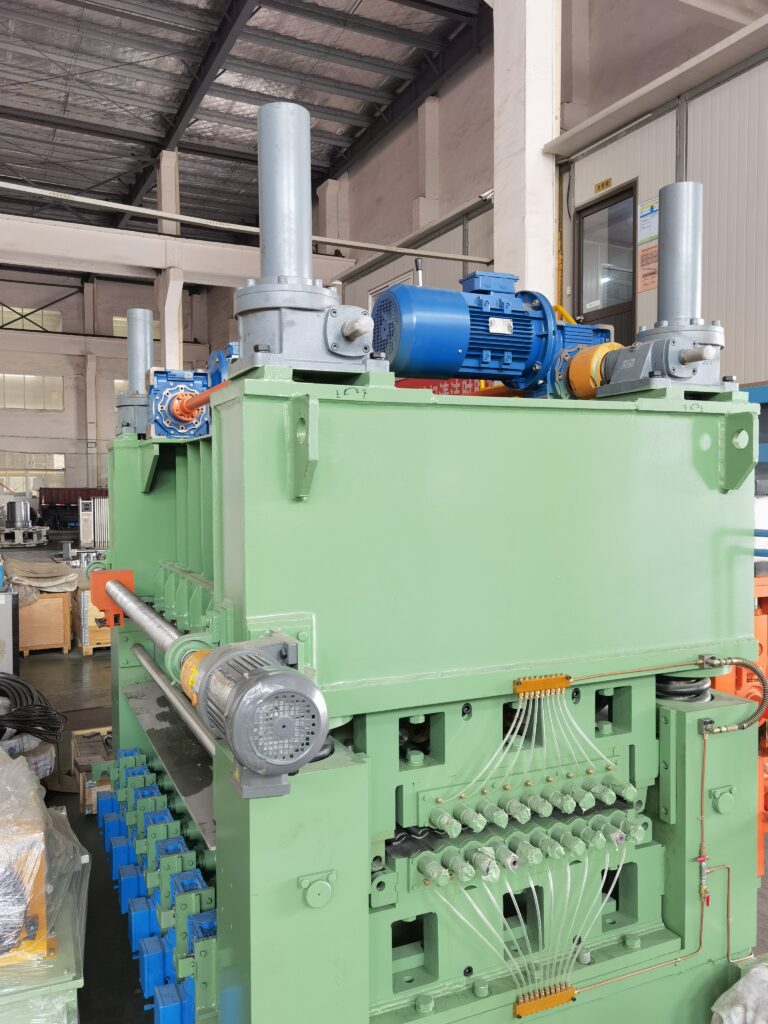
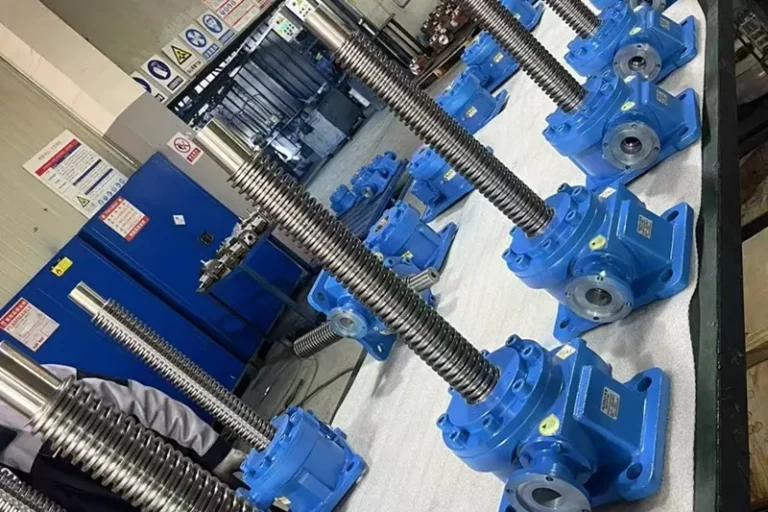
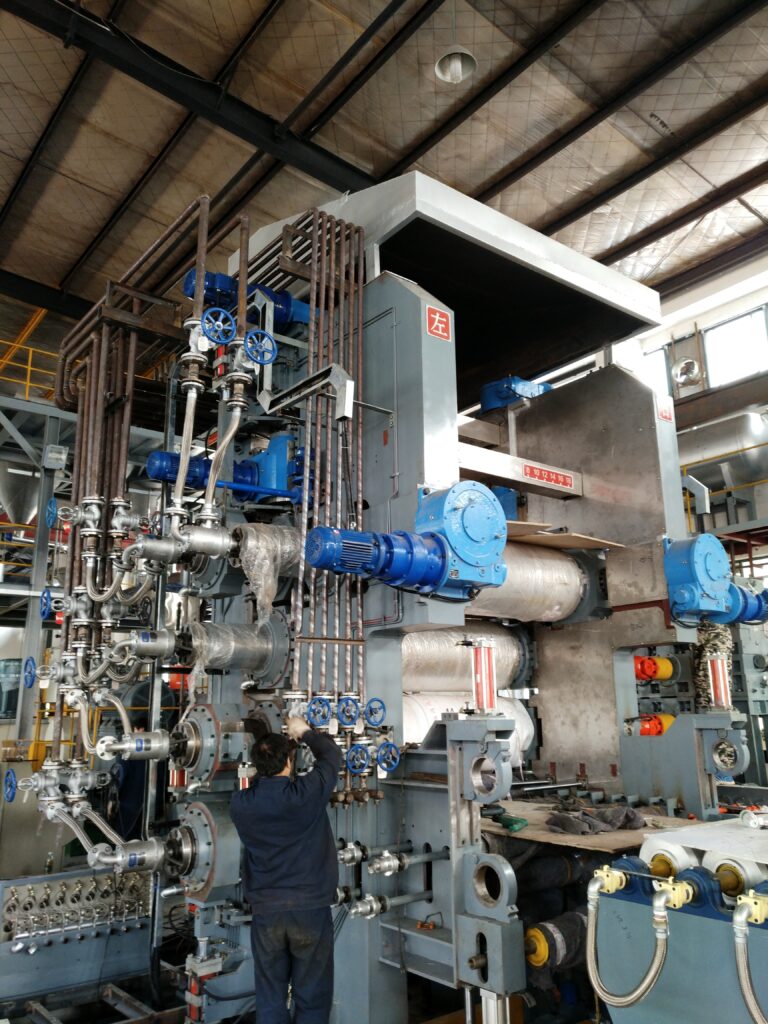
At NUODUN Drive, we manufacture industrial gear reducers, gear motors, screw jacks, and custom transmission solutions for heavy-duty applications. Our products support conveyors, mixers, crushers, lifting systems, chemical powder processing equipment, and many other industrial machines.
What Is Gearbox Oil Leakage?
Gearbox oil leakage means lubricating oil escapes from the gearbox housing, oil seal, joint surface, breather plug, inspection cover, or shaft end.
In many cases, the leak starts as a small oil mark on the housing. Then, it may become an oil stain around the shaft or mounting surface. If the problem continues, oil may drip onto the machine base or floor.
Although a small leak may not stop the machine at once, users should not ignore it. The oil level may drop slowly over time. In addition, dust, moisture, or foreign particles may enter the gearbox through damaged seals. Therefore, a small leak can turn into a serious gearbox failure.
For more reducer maintenance topics, you can visit the NUODUN Industry News page.
Why Gearbox Oil Leakage Should Not Be Ignored
A gear reducer needs enough clean oil to protect gears, bearings, and shafts. The oil reduces friction, carries heat away, prevents rust, and helps the gearbox run smoothly.
However, when gearbox oil leakage happens, several risks appear.
First, the gearbox may lose oil volume. As a result, gears and bearings may not receive enough lubrication.
Second, the gearbox may run at a higher temperature. Because the oil level drops, the reducer cannot remove heat effectively.
Third, gear teeth may wear faster. Poor lubrication increases metal-to-metal contact.
In addition, bearing damage may occur. Bearings are sensitive to heat, dirt, and poor oil film protection.
Finally, the equipment may stop without warning. This can lead to production loss, higher repair cost, and delivery delay.
Therefore, maintenance teams should treat gearbox oil leakage as an early warning signal, not just a surface problem.
Common Causes of Gearbox Oil Leakage
Gearbox oil leakage can come from many sources. However, most problems relate to sealing, pressure, oil level, installation, or operating conditions.
1. Damaged or Aged Oil Seals
Oil seals protect the shaft end and stop oil from leaking out. Over time, heat, dust, friction, and long working hours can make the seal hard, cracked, or worn.
As a result, oil may leak from the input shaft or output shaft. This problem often appears in old gear reducers or machines that run under high temperature.
2. Poor Shaft Surface or Sealing Surface
Even a good oil seal cannot work well if the shaft surface has scratches, rust, or wear marks. The sealing lip needs a smooth contact surface.
Therefore, engineers should check the shaft surface when they replace the oil seal. If the shaft has deep wear marks, simply changing the seal may not solve the problem.
3. Excessive Oil Level
Some users think more oil gives better lubrication. However, too much oil can create new problems.
When the oil level is too high, gears may stir the oil heavily. As a result, the gearbox temperature rises, internal pressure increases, and oil may escape through seals or the breather plug.
Therefore, users should always keep the oil level within the recommended range.
4. Blocked Breather Plug
A blocked breather plug is a very common but often overlooked cause of gearbox oil leakage.
During operation, the gearbox temperature rises. Then, the air inside the housing expands. If the breather plug cannot release pressure, internal pressure pushes oil toward weak points, such as oil seals, gaskets, and joint surfaces.
In dusty environments, the breather plug may block easily. Therefore, maintenance teams should clean or replace it during regular inspection.
5. Loose Bolts or Damaged Gaskets
Gearbox housings usually have joint surfaces, covers, and inspection plates. These parts need bolts and gaskets to keep oil inside.
However, vibration, thermal expansion, or poor assembly may loosen the bolts. Also, old gaskets may lose their sealing ability.
As a result, oil may leak from the housing joint, cover plate, or inspection hole.
6. Incorrect Installation Angle
Gear reducers have different mounting positions. For example, some reducers work horizontally, while others work vertically or in an inclined position.
If users install the gearbox in the wrong position, the oil level may not match the original design. Then, oil may collect near a seal or breather point and leak out.
Therefore, users should confirm the mounting position before installation. They should also choose the correct oil plug, drain plug, and breather plug position.
You can view more gearbox and reducer product options on the NUODUN Products page.
7. High Temperature During Operation
High temperature can make oil thinner. In addition, it can accelerate seal aging.
When a gearbox works under overload, high speed, poor ventilation, or dirty oil, the temperature may rise quickly. As a result, the oil loses viscosity, and leakage becomes easier.
Therefore, users should check not only the leak point, but also the real cause of high temperature.
8. Excessive Vibration
Vibration can damage seals, loosen bolts, and create small gaps at joint surfaces.
Common vibration causes include poor alignment, unstable base, unbalanced load, damaged bearings, worn gears, or wrong coupling installation.
If the gearbox leaks oil and vibrates at the same time, engineers should inspect the whole drive system instead of only replacing the seal.
9. Wrong Lubricant Selection
The wrong oil may also increase leakage risk. For example, oil with low viscosity may pass through small gaps more easily. Also, oil that cannot handle high temperature may lose performance during operation.
Therefore, users should choose lubricant according to gearbox type, load, speed, ambient temperature, and duty cycle.
For general lubrication and oil selection knowledge, users may refer to resources from lubricant suppliers such as Shell Lubricants or Mobil Industrial Lubricants.
How to Find the Gearbox Oil Leak Point
Before repairing gearbox oil leakage, users should first find the real leak point.
First, clean the gearbox surface. Oil may spread across the housing, so a dirty surface can make diagnosis difficult.
Then, run the machine under normal working conditions. After that, check where the first oil mark appears.
Common leak points include:
- Input shaft oil seal
- Output shaft oil seal
- Housing joint surface
- Inspection cover
- Oil drain plug
- Oil level plug
- Breather plug
- Mounting flange
- End cover
- Gearbox bottom area
In addition, users should check the oil level and breather plug at the same time. If the breather blocks or the oil level is too high, the leak may appear at different weak points.
Fast Repair Methods for Gear Reducer Oil Leaks
The repair method depends on the cause. However, users can follow several practical steps.
1. Adjust the Oil Level
If the oil level is too high, drain the extra oil and keep the level within the recommended range.
After that, run the gearbox again and check whether the leakage stops.
2. Clean or Replace the Breather Plug
If the breather plug blocks, clean it or replace it. This small part can reduce internal pressure and help stop leakage from seals or joint surfaces.
In dusty factories, users should check the breather plug more often.
3. Tighten Bolts and Replace Gaskets
If oil leaks from a cover or housing joint, check the bolts first. Tighten them according to the correct sequence and torque.
However, if the gasket has aged or broken, replace it. In many cases, new sealing material can solve the leak.
4. Replace the Oil Seal
If oil leaks from the shaft end, the oil seal may have worn out.
Before replacing the seal, engineers should check the shaft surface. If the shaft has scratches or wear grooves, they may need to polish, repair, or replace the shaft sleeve.
Otherwise, the new seal may leak again.
5. Improve Alignment and Reduce Vibration
If vibration causes the leak, users should check motor alignment, coupling condition, base strength, and load balance.
After they reduce vibration, the seal and gasket can work more reliably.
6. Check Gearbox Temperature
If the gearbox runs too hot, users should check load, speed, oil type, ventilation, and duty cycle.
Sometimes, a reducer leaks because it works beyond its design limit. In that case, users may need a larger gearbox or a different gear reducer type.
For heavy-duty applications such as mixers, crushers, and powder processing machines, you can also read NUODUN’s article on Gear Motor & Gearbox in Chemical Powder Processing Systems.
How to Prevent Gearbox Oil Leakage
Prevention costs less than repair. Therefore, users should build a simple but regular maintenance plan.
Keep the Correct Oil Level
Too little oil causes poor lubrication. However, too much oil can increase pressure and temperature. Therefore, users should keep the oil level within the recommended range.
Use the Right Lubricant
The correct lubricant helps reduce wear, heat, and leakage risk. Users should choose oil according to gearbox type, load, speed, and temperature.
Check Seals Regularly
Oil seals and gaskets age over time. Therefore, maintenance teams should inspect them during planned maintenance.
Keep the Breather Plug Clean
A clean breather plug allows pressure to escape. As a result, the gearbox has less risk of pressure-related leakage.
Control Temperature
Good ventilation, correct oil, proper load, and suitable gearbox size can help control temperature.
Reduce Vibration
A stable base, good alignment, and correct coupling installation can reduce vibration. Therefore, seals and bolts can last longer.
Choose the Right Gearbox at the Beginning
Many leakage problems start from wrong selection. If the gearbox works under overload, high speed, high temperature, or wrong mounting position, leakage risk becomes higher.
Therefore, users should choose the reducer according to real working conditions, not only price or size.
When Should You Replace the Gearbox?
Repair can solve many oil leakage problems. However, replacement may become necessary in some cases.
Users should consider replacing the gearbox when:
- The housing has cracks
- The shaft has serious wear
- The bearing seats have damage
- The gearbox leaks repeatedly after repair
- The reducer runs with high noise and high temperature
- The gears show serious wear
- The gearbox no longer matches the machine load
- Maintenance cost becomes too high
In these cases, a new gear reducer may offer better reliability and lower long-term cost.
If you need a replacement gearbox or custom reducer solution, you can contact NUODUN Drive for model selection support.
How NUODUN Supports Industrial Gearbox Users
NUODUN Drive provides industrial gear reducers, gear motors, worm gearboxes, helical gearboxes, bevel helical gearboxes, planetary gearboxes, screw jacks, and custom transmission systems.
We support customers in many industries, including:
- Chemical powder processing
- Conveying equipment
- Mixing equipment
- Crushing machinery
- Lifting systems
- Packaging machinery
- Metallurgical equipment
- Automation equipment
- Heavy-duty production lines
In addition, our team helps users choose the right gearbox according to torque, speed, ratio, mounting position, duty cycle, working environment, and maintenance needs.
A reliable gearbox should not only transmit power. It should also run with stable temperature, good sealing, low vibration, and long service life.
Conclusion
Gearbox oil leakage may look like a small issue at first. However, it can lead to poor lubrication, high temperature, gear wear, bearing damage, and unexpected downtime.
Therefore, users should find the leak point early and check the real cause. In many cases, the problem comes from worn oil seals, blocked breather plugs, excessive oil level, loose bolts, damaged gaskets, wrong mounting position, high temperature, or vibration.
With correct selection, good installation, regular maintenance, and proper lubrication, users can reduce gearbox oil leakage and extend reducer service life.
If your equipment needs a reliable industrial gearbox or gear reducer solution, NUODUN Drive can help you select the right transmission product for your application.