whatsapp:+86 13622680352



Lightweight and Compact Rotor Pump and Screw Pump Units Enabled by Planetary Gear Reducers
Why Lightweight Pump Units Matter More Than Ever
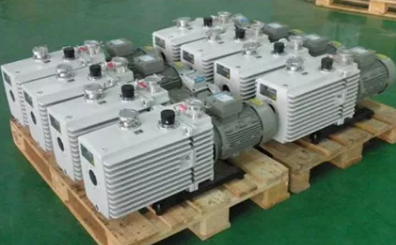
In modern industrial environments, pump systems are no longer designed in isolation. They are part of skid-mounted packages, modular process units, mobile equipment, offshore platforms, and shipboard systems, all of which impose strict limitations on space, weight, and transportation cost.
For rotor pumps and screw pumps—widely used in oil & gas, chemical processing, marine engineering, food, and pharmaceuticals—these constraints are especially critical. The traditional drive configuration, typically composed of:
- Pump
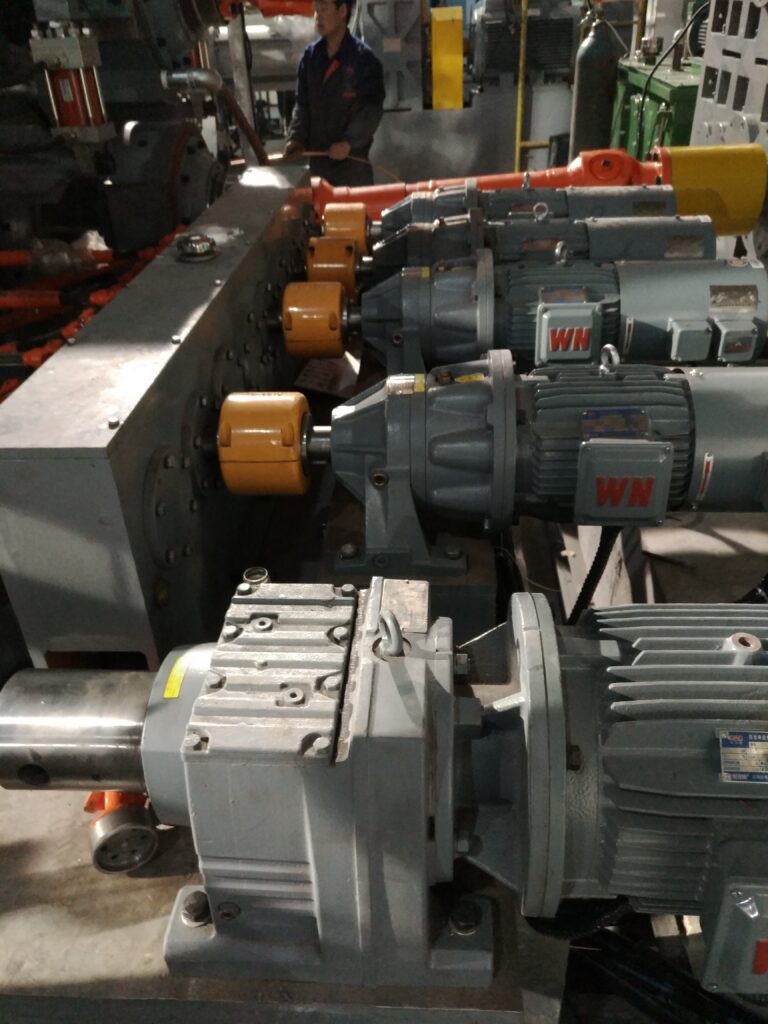
- Foot-mounted parallel shaft gearbox
- Flexible coupling
- Electric motor
has proven robust over decades. However, it also brings significant penalties in size, mass, alignment complexity, and installation cost.
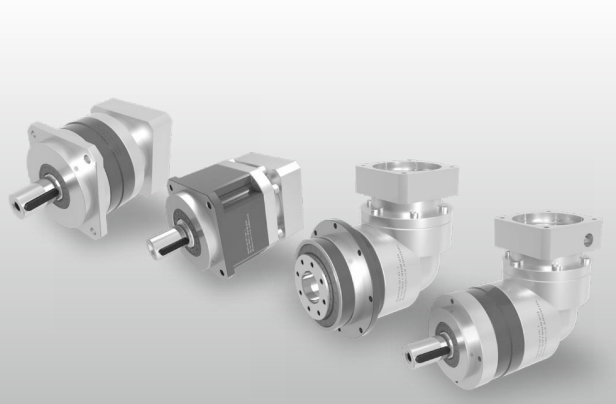
As a result, planetary gear reducers are increasingly being adopted in pump applications—not only in large custom systems but now also in standardized medium and small pump units. Their high torque density and compact geometry make them a key enabler of lightweight and small-footprint pump design.
The Structural Advantage of Planetary Gear Transmission
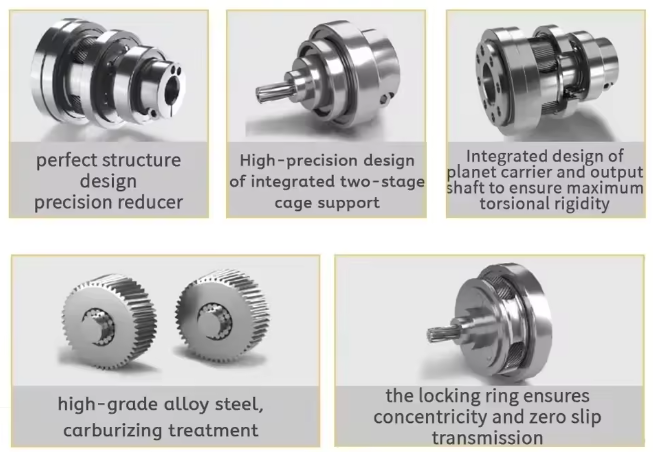
Planetary gear reducers differ fundamentally from conventional parallel-shaft gearboxes.
How Planetary Gear Sets Work
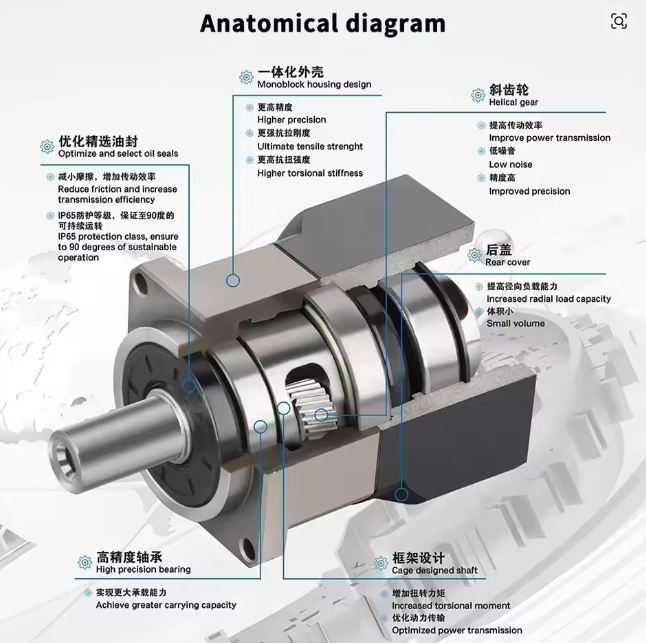
A planetary gear set consists of:
- A sun gear at the center
- Multiple planet gears evenly distributed around it
- An internal ring gear
All planet gears engage simultaneously, distributing the transmitted torque across multiple meshing points.
This architecture provides three decisive advantages:
- Multiple teeth share the load at the same time
- Torque is transmitted concentrically along the same axis
- Structural symmetry improves stiffness and load balance
For pump drives, where torque demand is high and space is limited, these characteristics are particularly valuable.
Torque Density: The Key Metric for Lightweight Pump Design
When discussing compactness, torque density is more meaningful than nominal torque alone.
Torque density can be expressed as:
- Nm/kg (torque per unit mass)
- Nm/L (torque per unit volume)
Planetary gear reducers consistently outperform other reducer types in both metrics.
Comparison at Equal Output Torque
Under the same output torque requirement, the theoretical differences are clear:
Planetary Gear Reducer
- Small outer diameter
- Short axial length
- Low overall mass
- Coaxial input/output
Cycloidal Reducer
- Good shock resistance
- Larger housing diameter
- Lower torque density than planetary designs
Parallel Shaft Gearbox
- Long axial dimension
- Requires foot mounting and coupling
- Highest system weight and footprint
For rotor pump and screw pump units, higher torque density directly translates into:
- Shorter drive trains
- Smaller skids
- Reduced steel structure weight
Case Study: Screw Pump Unit Under Identical Operating Conditions
To illustrate the impact of planetary gear reducers, consider a typical screw pump application.
Operating Conditions
- Required flow rate: fixed
- Differential pressure: fixed
- Medium viscosity: medium to high
- Pump shaft speed: low
- Required output torque: identical for both solutions
Solution A: Conventional Drive Configuration
- Foot-mounted parallel shaft gearbox
- Flexible coupling
- IEC standard motor
Estimated characteristics:
- Long axial length due to gearbox + coupling
- High center height
- Heavy gearbox housing
- Larger base frame
Solution B: Planetary Gear Reducer with Direct Motor Mount
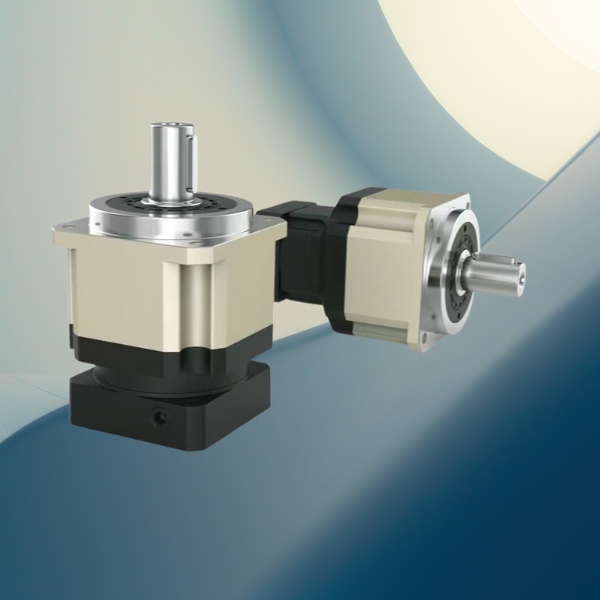
- Inline planetary reducer
- Motor directly flange-mounted
- No coupling required
Comparison Summary
| Parameter | Conventional Gearbox | Planetary Gear Reducer |
|---|---|---|
| Overall length | Long | Reduced by 20–40% |
| Installation height | High | Lower |
| Total unit weight | Heavy | Reduced by 10–30% |
| Base frame length | Long | Shorter |
| Alignment effort | High | Minimal |
| Transport volume | Large | Compact |
The results clearly show that lightweight and compact design is achieved at system level, not only at gearbox level.
Impact on Skid Design and Transportation Cost
The benefits of a compact pump drive extend well beyond the reducer itself.
Skid Structure Optimization
A shorter and lighter pump unit enables:
- Reduced steel consumption
- Fewer reinforcement ribs
- Lower bending moments on the base
- Simplified foundation design
For skid-mounted systems, this often leads to:
- Fewer anchor bolts
- Reduced concrete volume
- Shorter installation time
Transportation and Logistics Benefits
Weight reduction directly affects:
- Container loading efficiency
- Truck and crane capacity requirements
- Offshore lifting restrictions
In multi-pump skid packages, even a 10–20% weight reduction per unit can significantly lower:
- Transportation cost
- Handling risk
- Project delivery time
For mobile and marine applications, these savings are often decisive.
Engineering Boundaries and Design Considerations
Lightweight design must never compromise reliability. Planetary gear reducers enable compactness, but they also introduce new engineering requirements.
Thermal Balance
High torque density means:
- Higher power density
- More heat generated per unit volume
Proper checks must include:
- Continuous duty thermal rating
- Lubrication method and oil quality
- Ambient temperature limits
Bearing Load and Shaft Stiffness
Pump applications often generate:
- High radial loads
- Axial thrust from screw or rotor geometry
The reducer must be evaluated for:
- Bearing life
- Shaft deflection
- Overhung load capability
Precision and Alignment
Compact inline drives demand:
- High manufacturing accuracy
- Tight concentricity control
- Proper coupling of pump shaft and reducer output
Good design practice includes:
- Torsional vibration analysis
- Alignment tolerance verification
- Controlled start-up and load ramping
Practical Selection Guidelines for Engineers
When should planetary gear reducers be prioritized in pump applications?
Planetary Reducers Are Especially Suitable When
- Space is limited
- Weight reduction is a project goal
- Inline motor mounting is preferred
- Skid or modular systems are used
- Transportation cost is a concern
Key Parameters to Compare During Selection
- Required output torque with safety factor
- Rated and peak torque capability
- Thermal capacity at actual duty cycle
- Bearing life under pump load conditions
- Mounting interface compatibility
Balancing Cost and Reliability
While planetary gear reducers may have a higher unit cost than conventional gearboxes, the total system cost is often lower when considering:
- Smaller skid
- Reduced steel
- Lower transport and installation costs
- Improved alignment reliability
Frequently Asked Questions
Are planetary gear reducers reliable for continuous pump operation?
Yes. When properly selected and thermally rated, planetary gear reducers are well suited for continuous-duty pump applications.
Do planetary gear reducers increase maintenance requirements?
No. In many cases, reduced coupling components and better alignment actually lower maintenance needs.
Can planetary gear reducers handle high-viscosity fluids?
Yes, provided the reducer is sized for the required torque and bearing loads generated by high-viscosity media.
Are planetary gear reducers suitable for skid-mounted pump systems?
They are particularly well suited due to their compact size, inline design, and high torque density.
How much weight reduction is typically achievable?
Depending on configuration, total pump unit weight can be reduced by 10–30%.
Conclusion
Planetary gear reducers are no longer a niche solution in pump engineering. Their high torque density, compact geometry, and inline architecture make them a powerful enabler of lightweight and small-footprint rotor pump and screw pump units.
When evaluated at the system level, they deliver tangible benefits in skid design, transportation, installation, and lifecycle reliability. With proper engineering validation, planetary reducers allow designers to achieve compactness without compromising durability.
NUODUN is a professional manufacturer dedicated to drive systems, transmission solutions, and linear motion actuators. With extensive experience in planetary gear reducers and pump drive integration, NUODUN supports customers from concept design to final selection.