whatsapp:+86 13622680352



Hypoid Gear Reducer Common Failures and Maintenance Tips
Hypoid gear reducers are widely used in high-torque and continuous operation applications due to their efficiency and performance. However, like all gear reduction systems, they are susceptible to wear and failure, especially when subjected to heavy loads, prolonged operation, and inadequate maintenance. This article delves into common Hypoid gear reducer failures, the causes behind them, and practical maintenance tips to ensure your equipment runs smoothly for longer.
Pain Points in Hypoid Gear Reducer Operation:
- Excessive Heat: One of the most common issues with Hypoid gear reducers is overheating. When the temperature of the casing or oil exceeds recommended values, it can lead to oil degradation and premature wear of gears and bearings.
- Unusual Noise and Vibration: Strange sounds such as whining, grinding, or knocking noises are often signs of poor gear meshing, bearing damage, or misalignment, which can result in operational failure.
- Oil Leaks: Leaks at the input and output seals or casing joints are common, leading to oil loss and potential damage to internal components.
- Gear Wear, Pitting, or Scuffing: Gear teeth may show signs of wear, pitting, or scuffing due to overload, poor lubrication, or prolonged exposure to high temperatures.
- Bearing Failure and Shaft Runout: Bearings that have worn out or have developed pitting can cause misalignment, further damaging gears and increasing vibration and noise.
Core Technology Breakdown:
- Hypoid Gear Reducers:
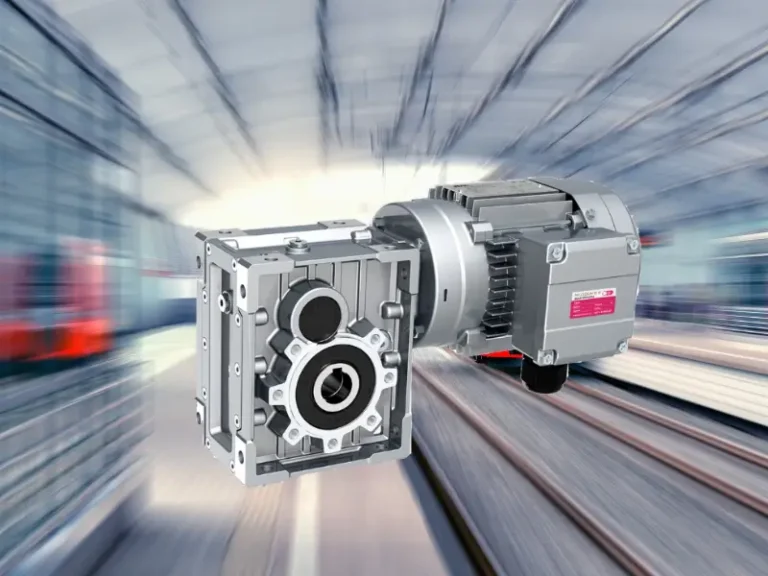
- Working Principle: Hypoid gear reducers are designed with spiral bevel gears or quasi-hyperboloid gears that provide smooth, rolling engagement. This reduces friction and heat generation compared to other gear types.
- Susceptibility to Issues: These reducers are sensitive to lubrication quality and temperature, and improper setup can cause premature failure in components such as bearings and gears.
- Common Failures in Hypoid Gear Reducers:
- Lubrication Issues: Insufficient oil, wrong oil type, or improper oil replacement intervals can result in broken oil films, causing early failure of gear teeth and bearings.
- Overloading and Shock Loading: Exceeding the rated torque, frequent starts and stops, or reverse operation can lead to fatigue and pitting on gears and bearings.
- Misalignment: Improper alignment of the motor and reducer, or the reducer and load, can lead to vibration, shaft deflection, and accelerated wear.
Maintenance Tips for Hypoid Gear Reducers:
- Regular Temperature Checks:
Use temperature guns or sensors to monitor the casing and oil temperature. If temperatures exceed recommended limits, check the load, oil levels, and ventilation conditions. - Monitor Noise and Vibration:
Regularly inspect using stethoscopes or vibration sensors. Any abnormal noise or increased vibration should prompt an immediate check of gears, bearings, and alignment. - Lubrication Management:
Ensure that the correct type of oil is used according to the manufacturer’s guidelines. Regularly check the oil levels, color, and any metal debris, and change the oil as recommended. - Tightening and Alignment:
Periodically check and tighten foundation bolts and coupling bolts. Verify coupling gaps and alignment to prevent vibration-related issues and abnormal gear wear. - Scheduled Overhaul:
During overhauls, disassemble and inspect gears and bearings for cracks, pitting, or wear. Minor wear can be repaired by spraying or plating, while severe damage requires replacement and re-adjustment of the gear meshing.
Selection Tips for Hypoid Gear Reducers:
- Efficiency and Heat Management: Hypoid reducers are well-suited for continuous operation in high-torque applications where energy efficiency and heat generation are critical factors.
- Load and Vibration: If your system experiences frequent shock loading or high shock loads, ensure the gear reducer is rated for such conditions, or consider alternatives like worm gear reducers if self-locking is required.
- Environment and Lubrication: Ensure proper lubrication practices are followed, as Hypoid reducers are sensitive to oil types and temperatures. For high-temperature environments, use high-quality synthetic oils.
At NUODUN, we specialize in the development and manufacturing of gear reducers, motors, and linear transmission solutions. Our RV Worm Drive and Hypoid gear reducers are built for durability and efficiency in high-torque applications. With extensive experience in the field, NUODUN ensures that your equipment is backed by high-quality, reliable products tailored to your specific needs.
FAQs:
- What causes excessive heat in Hypoid gear reducers?
Overheating is typically caused by insufficient lubrication, overloading, or improper oil types, leading to increased friction and component wear. - How can I reduce the noise and vibration in a Hypoid gear reducer?
Ensure proper alignment of the motor, reducer, and load. Regularly monitor and maintain bearings and gears to prevent wear and misalignment. - What maintenance steps should I take to extend the life of a Hypoid gear reducer?
Regularly check temperature, lubrication levels, noise, and alignment. Periodically overhaul the system to inspect and replace worn components. - Can overloading damage my Hypoid gear reducer?
Yes, overloading can cause fatigue pitting on gears and bearing failure, leading to system breakdowns. - What is the best way to prevent oil leaks in Hypoid gear reducers?
Regularly check and replace seals, especially at the input and output ends, and ensure the gearbox casing is properly assembled.
Need a reliable and efficient Hypoid gear reducer for your high-torque applications? Contact NUODUN today for expert advice and solutions that maximize performance and minimize downtime.
You May Also Be Interested In:
- Bevel Gear Ball Screw Jack Troubleshooting Guide: Common Failures and Practical Solutions
- Bevel Gear Ball Screw Jack: Applications, Advantages
- Bevel Gear Ball Screw Jack Maintenance Guide: Practical Tips to Maximize Service Life and Precision
- Common Faults and Treatment Methods of Planetary Gear Reducers for Roller Press Applications
- Daily Maintenance Strategies for Gear Reducers