whatsapp:+86 13622680352



Daily Maintenance Strategies for Gear Reducers
Introduction: Why Daily Maintenance Is Critical for Gear Reducers
Gear reducers are the core power transmission components in industrial systems, widely applied in manufacturing lines, conveyors, mixers, cranes, energy equipment, and automated machinery. Their operating condition directly affects production efficiency, equipment safety, and lifecycle costs.
Unlike passive mechanical parts, gear reducers operate continuously under variable loads, fluctuating speeds, thermal stress, and environmental contamination. Without a structured maintenance strategy, minor abnormalities—such as temperature rise, lubrication degradation, or noise changes—can quickly evolve into major failures.
Best practice in industrial maintenance shows that effective gear reducer management must be built on three fundamental principles:
- Prevention first
- Regular inspection
- Complete lifecycle documentation
This article presents a systematic, field-validated daily maintenance strategy that helps operators extend gear reducer service life by 30–50%, reduce unexpected downtime, and improve overall equipment reliability.
1. Establishing a Preventive Maintenance Management System
Daily maintenance is not a single task but a management framework combining monitoring, inspection, analysis, and corrective action. A mature system emphasizes:
- Early detection of abnormal trends
- Standardized inspection routines
- Quantitative data tracking
- Continuous improvement based on historical records
By shifting from reactive repairs to preventive control, gear reducer maintenance becomes predictable and cost-effective.
2. Dynamic Temperature Monitoring
2.1 Temperature as a Key Health Indicator
Temperature is one of the most sensitive indicators of gearbox condition. Abnormal heat generation often precedes lubrication failure, bearing damage, or gear wear.
Recommended Monitoring Scope
- Bearing temperature
- Oil sump (oil pool) temperature
2.2 Daily Temperature Recording Practices
- Record temperatures every 2 hours during operation
- Maintain a temperature logbook for each gear reducer
- Plot temperature trend curves to identify gradual or sudden changes
Critical Alarm Conditions
- Sudden temperature increase >10°C within 1 hour
- Continuous upward trend beyond historical baseline
When such conditions occur, immediate shutdown and inspection are required.
2.3 Online Temperature Monitoring for Critical Equipment
For continuously operating or mission-critical gear reducers, it is recommended to install temperature sensors, such as PT100 platinum resistance sensors, integrated into the bearing housing or oil sump.
System Integration Benefits
- Connection to PLC or DCS systems
- Real-time temperature display
- Automatic over-temperature alarms
Recommended Alarm Threshold
- 85°C for early warning
This approach significantly improves response speed and prevents secondary damage.
3. Abnormal Noise Monitoring and Analysis
3.1 Importance of Noise Monitoring
Noise characteristics reflect internal mechanical conditions. Changes in sound level or frequency often indicate early-stage faults such as gear pitting, bearing wear, or lubrication deficiency.
3.2 Daily Noise Measurement Method
- Use a sound level meter during routine inspections
- Measurement distance: 1 meter from the gearbox
- Deduct background noise for accurate results
Normal Operating Standard
- Noise level should remain below 85 dB
Abnormal Conditions
- Sudden increase >5 dB
- Intermittent, irregular, or impact sounds
When abnormalities are detected, combine instrument readings with the listening method to localize the fault source.
3.3 Long-Term Noise Trend Analysis
- Analyze noise data every 3 months
- Establish a baseline noise profile for each unit
- Use trend deviation to assess aging and wear progression
Noise trend analysis is especially valuable for predictive maintenance planning.
4. Refined Lubrication Oil Management
4.1 Lubrication as the Lifeline of Gear Reducers
Lubrication directly affects friction, heat generation, gear wear, and bearing life. Poor oil management remains one of the leading causes of gearbox failure.
4.2 Oil Change Interval Planning
Standard Operating Conditions
- First oil change: after 100 operating hours
- Subsequent changes: every 2,000–3,000 hours
Harsh Operating Conditions
- High temperature
- Heavy dust
- High load or frequent starts
Oil change interval should be shortened to 1,500–2,000 hours.
4.3 Oil Quality Monitoring
At every oil change, conduct oil condition testing, including:
- Moisture content
- Solid contaminant level
- Viscosity variation
If oil degrades prematurely, investigate potential causes such as:
- Seal failure
- Overloading
- Excessive operating temperature
4.4 Lubricant Storage and Filling Best Practices
- Store lubricants in sealed, shaded containers
- Prevent dust and moisture contamination
- Use a filtered filling funnel with filtration accuracy ≥100 mesh
- Never mix different oil brands or grades
Clean oil is fundamental to long-term gearbox reliability.
5. Scheduled Inspection and Maintenance System
5.1 Three-Level Inspection Framework
A structured inspection system ensures no critical detail is overlooked.
Daily Inspection
- Check oil level and leakage
- Monitor operating noise
- Measure bearing temperature
- Record operating condition
Weekly Inspection
- Tighten foundation bolts
- Check motor–gearbox coupling alignment
- Clean breather caps and cooling surfaces
- Inspect seals for damage or aging
Monthly Inspection
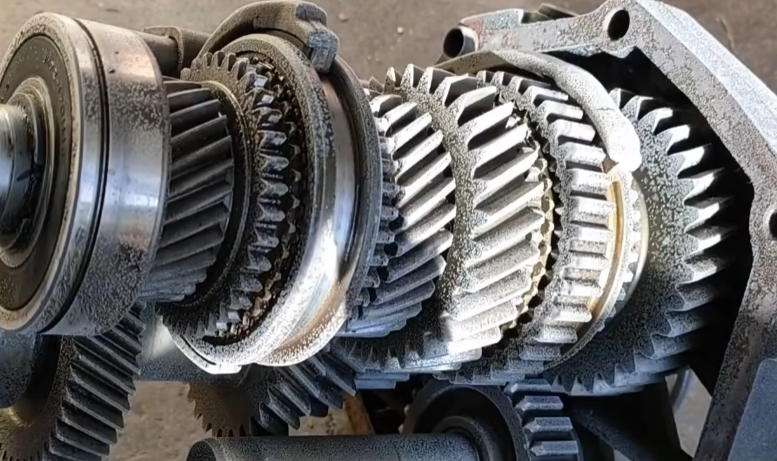
- Open top cover (during shutdown)
- Inspect gear meshing condition
- Check bearing wear
- Analyze oil quality
- Replenish bearing grease
5.2 Inspection Documentation and Traceability
All inspections must be recorded with:
- Date and time
- Inspection items
- Observed issues
- Corrective actions taken
This historical data enables:
- Failure pattern analysis
- Maintenance optimization
- Asset lifecycle management
5.3 Annual Overhaul and Preventive Restoration
Once per year, conduct a comprehensive overhaul, including:
- Complete gearbox disassembly
- Inspection of all wear components
- Replacement of aged seals and bearings
- Gear surface lubrication using extreme-pressure grease
The goal is to restore the gearbox to optimal operating condition before failures occur.
6. Personnel Training and Maintenance Culture
Even the best maintenance plan fails without skilled personnel. Operators and maintenance technicians should be trained to:
- Recognize early warning signs
- Interpret temperature and noise trends
- Follow standardized inspection procedures
- Respond correctly to abnormal conditions
A strong maintenance culture ensures early detection, fast response, and minimal downtime.
Frequently Asked Questions (FAQ)
Q1: How often should gearbox temperature be recorded?
For standard equipment, every 2 hours during operation. Critical systems should use continuous online monitoring.
Q2: Is noise monitoring really necessary if vibration is normal?
Yes. Noise changes often appear earlier than vibration abnormalities.
Q3: Can extending oil change intervals reduce maintenance costs?
No. Delayed oil changes often lead to higher repair costs and reduced gearbox life.
Q4: What is the biggest maintenance mistake in gear reducers?
Ignoring early warning signs such as minor leaks, small temperature rises, or slight noise changes.
Q5: Are OEM gear reducers harder to maintain?
Not when designed by experienced manufacturers. OEM gear reducers often provide better application matching and maintenance documentation.
Conclusion: Systematic Maintenance Delivers Measurable Value
Gear reducers are the heart of industrial power transmission systems. Their maintenance quality directly determines production continuity, equipment lifespan, and total cost of ownership.
By implementing:
- Dynamic temperature monitoring
- Structured noise analysis
- Refined lubrication management
- Tiered inspection systems
enterprises can significantly reduce failure rates and extend gear reducer service life by 30–50%.
Preventive maintenance is not an expense—it is a long-term investment in reliability and productivity.
NUODUN is a professional power transmission equipment manufacturer, specializing in gear reducers and customized drive solutions for industrial applications.
We offer:
- High-reliability gear reducers
- Application-specific customization
- Full OEM / ODM support
- Technical consultation and lifecycle service
If you are looking to improve the reliability, efficiency, and lifespan of your transmission systems, contact NUODUN today.
NUODUN — Engineering Transmission Reliability for Industrial Excellence.