whatsapp:+86 13622680352



Correct Installation and Maintenance of Planetary Gear Motors
Proper installation and maintenance of a planetary gear motor are critical factors in ensuring reliable operation, precision performance, and long service life. In industrial automation, robotics, CNC machinery, and motion control systems, planetary gear motors are often paired with servo motors, where alignment accuracy and assembly quality directly affect system efficiency and durability.
Incorrect installation can lead to abnormal noise, premature bearing failure, gear wear, increased backlash, or even catastrophic damage to both the motor and the gearbox. Therefore, engineers, system integrators, and maintenance teams must strictly follow standardized installation procedures and maintenance practices.
This article provides a step-by-step guide to correctly installing and maintaining planetary gear motors, helping global B2B users achieve stable operation and reduce long-term operating costs.
Why Proper Installation of a Planetary Gear Motor Matters
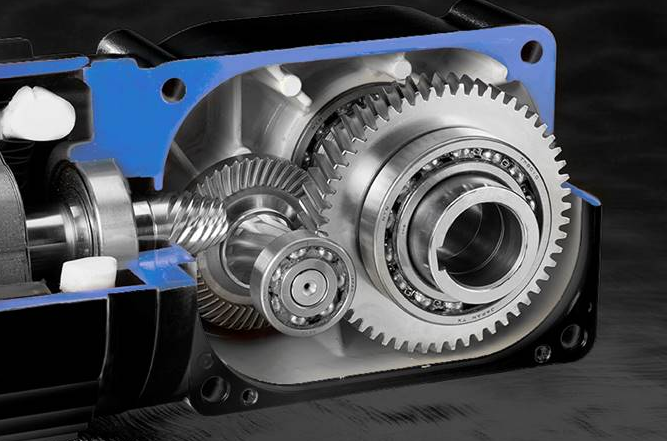
A planetary gear motor integrates a precision planetary gear reducer with an electric motor, typically a servo motor. Due to its compact structure and high torque density, the internal components operate under high load and tight tolerances.
Key reasons correct installation is essential include:
- Ensuring concentricity between motor shaft and reducer input
- Preventing axial and radial forces from damaging bearings
- Maintaining gear meshing accuracy
- Achieving rated torque, efficiency, and service life
For industrial users, proper installation is not optional—it is a prerequisite for system reliability.
Pre-Installation Inspection and Preparation
Before installing a planetary gear motor, a comprehensive inspection must be carried out.
Step 1: Verify Component Integrity and Dimensional Compatibility
Before assembly, confirm that:
- The motor and planetary gear reducer are complete and undamaged
- The motor flange pilot diameter matches the reducer flange recess
- The motor shaft diameter and tolerance match the reducer input bore
- The shared tolerances meet design requirements
Special attention should be paid to the centering flange (pilot) and shaft-to-bore fit, as these determine concentricity.
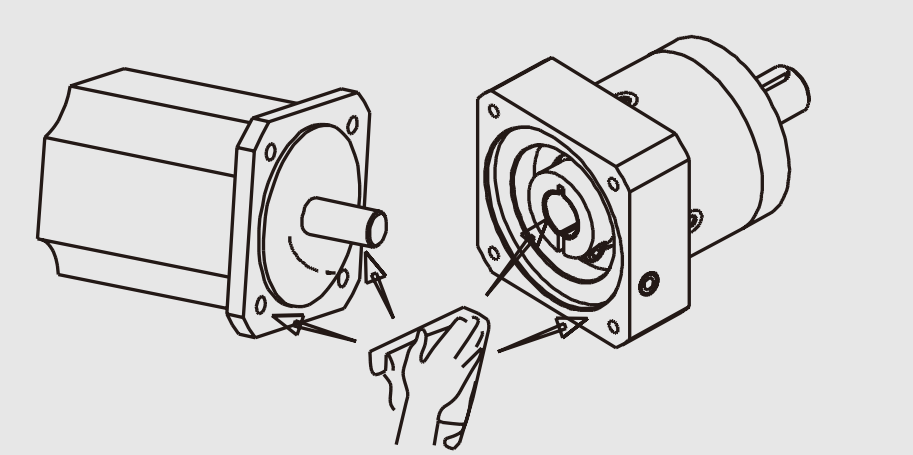
All mating surfaces must be carefully cleaned to remove:
- Dust
- Oil contamination
- Burrs or surface damage
Clean and flat contact surfaces are essential for accurate alignment.
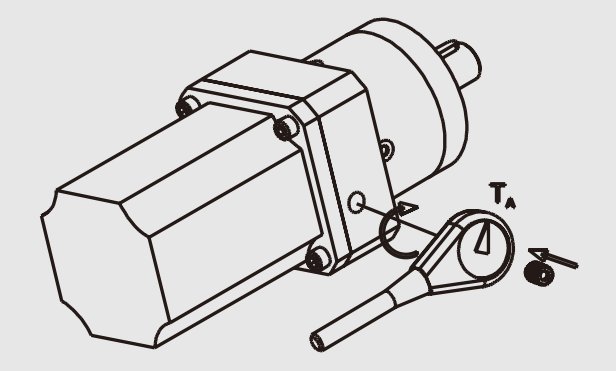
Releasing the Input Shaft Clamping Mechanism
Step 2: Access and Loosen the Clamping Screw
Most planetary gear reducers use a clamping-type input connection. Before inserting the motor shaft:
- Remove the screw plug from the process hole on the reducer flange
- Rotate the reducer input shaft until the internal hex clamping screw aligns with the process hole
- Insert a hex wrench and loosen the clamping screw
This step ensures that the motor shaft can be inserted smoothly without force.
Correct Motor-to-Reducer Assembly Procedure
Step 3: Insert the Motor Shaft with Proper Alignment
Hold the drive motor steadily and align:
- The motor shaft keyway perpendicular to the reducer clamping screw
- The motor shaft concentrically with the reducer input bore
Carefully insert the motor shaft into the reducer input hole. During insertion:
- Ensure both shafts remain coaxial
- Ensure the motor and reducer flanges remain parallel
If resistance is encountered, do not apply force. Misalignment must be identified and corrected before proceeding.
Important Installation Notes
- Hammering is strictly prohibited
Hammering introduces excessive axial or radial force, which can permanently damage bearings and gears. - Use tactile feedback
Properly matched components should slide together smoothly. Difficulty indicates misalignment or tolerance issues.
A practical alignment check method is to observe that, once assembled, the motor and reducer flanges contact evenly with a uniform gap or full surface contact.
Securing the Motor and Planetary Gear Reducer Assembly
Step 4: Tightening Sequence for Uniform Load Distribution
To ensure even stress distribution and avoid flange distortion, follow this tightening sequence:
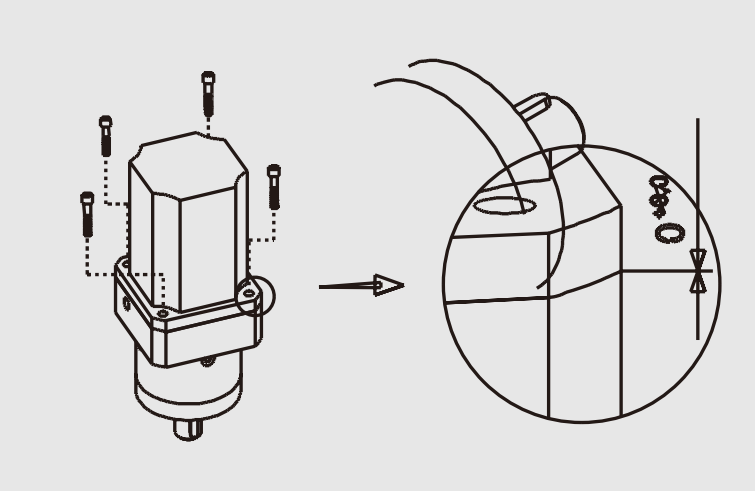
- Lightly thread all motor mounting bolts by hand without tightening
- Tighten the bolts gradually in a diagonal (cross) pattern
- Once the motor flange bolts are fully tightened, tighten the reducer input clamping screw
- Reinstall the process hole screw plug
Important:
Always tighten the motor mounting bolts before tightening the reducer input clamping screw. Reversing this order may cause shaft misalignment or internal stress.
Installation of the Output Shaft to the Driven Equipment
The correct installation principle between the planetary gear reducer and the driven machine is identical to that between the motor and reducer.
Key requirements include:
- Precise concentric alignment between reducer output shaft and driven shaft
- Parallel mounting surfaces
- No forced assembly
Misalignment at the output side can introduce vibration, noise, and excessive bearing load, reducing service life.
Maintenance Guidelines for Planetary Gear Motors
Proper maintenance is equally important as correct installation.
Routine Inspection
Regularly inspect:
- Mounting bolt tightness
- Abnormal noise or vibration
- Oil leakage (if applicable)
- Temperature rise during operation
Early detection of anomalies can prevent serious failures.
Lubrication Management
Most industrial planetary gear reducers are factory-lubricated for long-term use. However:
- Follow the manufacturer’s recommended service interval
- Use only specified lubricants
- Avoid mixing different oil types
For high-duty or continuous operation, periodic lubricant condition checks are recommended.
Operating Environment Considerations
Planetary gear motors should operate within specified limits:
- Ambient temperature
- Humidity
- Dust or corrosive exposure
In harsh environments, additional protective measures such as seals or covers may be required.
Common Installation and Maintenance Mistakes to Avoid
- Forcing shaft insertion
- Ignoring concentricity and flange parallelism
- Uneven bolt tightening
- Using incorrect tools
- Operating beyond rated torque or speed
Avoiding these mistakes significantly extends gearbox and motor lifespan.
Applications of Planetary Gear Motors in Motion Control
With the rapid development of motion control technology, planetary gear motors are increasingly used in:
- Industrial automation systems
- Robotics and robotic joints
- CNC machine tools
- Packaging and assembly equipment
- Logistics and conveyor systems
Their compact size, high precision, and reliability make them ideal for servo-driven applications.
Why Engineers Choose NUODUN Planetary Gear Motors
NUODUN is a professional manufacturer specializing in drive systems, transmission components, and linear motion actuators. Our planetary gear motors are designed to support:
- Servo motor integration
- High-precision motion control
- Industrial-grade durability
- Custom selection and technical support
We work closely with engineers, OEMs, and system integrators to ensure optimal performance in real-world applications.
Frequently Asked Questions (FAQ)
What happens if a planetary gear motor is installed with poor alignment?
Poor alignment can cause increased vibration, abnormal noise, accelerated bearing wear, and reduced gear life.
Can I use force if the motor shaft does not insert smoothly?
No. Forced installation may permanently damage bearings and gears. Alignment and tolerances must be checked instead.
How often should a planetary gear motor be inspected?
Routine inspections are recommended during scheduled maintenance cycles, especially in continuous or high-load applications.
Are planetary gear motors suitable for servo systems?
Yes. They are widely used with servo motors due to their high efficiency, low backlash, and precise torque transmission.
Does NUODUN provide installation guidance?
Yes. NUODUN offers technical documentation and engineering support for installation, selection, and application matching.
If you are selecting, installing, or maintaining a planetary gear motor for industrial or servo-driven applications, NUODUN is ready to support your project.
Contact our technical team to discuss:
- Gear motor selection and sizing
- Installation best practices
- Custom drive and transmission solutions
NUODUN – Professional Solutions for Drive, Transmission, and Motion Control.