whatsapp:+86 13622680352



Bevel Gear Ball Screw Jack Troubleshooting Guide: Common Failures and Practical Solutions
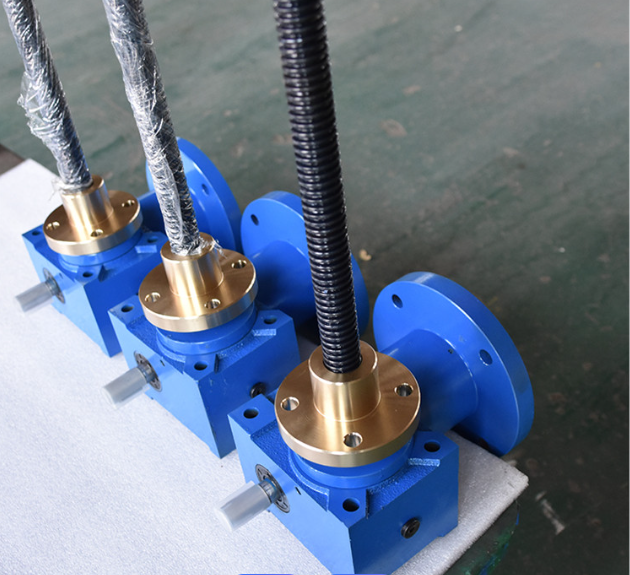
Bevel gear ball screw jacks are widely used in high-speed, high-precision, and multi-point synchronized lifting systems. When properly installed and maintained, they offer excellent efficiency, positioning accuracy, and long-term stability.
However, most operational issues can be traced back to four root causes:
- Insufficient or incorrect lubrication
- Misalignment
- Overload or excessive duty cycle
- Improper stroke control
This guide follows a practical engineering format:
Symptom → Possible Cause → Corrective Action
It is intended for maintenance engineers, equipment designers, automation integrators, and plant operators seeking reliable field-level solutions.
1. Abnormal Noise (Whining, Friction Sound, Knocking)
Symptom
- High-pitched whining
- Grinding or scraping noise
- Intermittent knocking during movement
Noise is often the earliest indicator of internal wear or lubrication failure.
Possible Causes
1. Ball Screw Lubrication Failure
- Grease dried out
- Contamination with dust or metal particles
- Insufficient lubrication film
2. Bevel Gear Engagement Issues
- Incorrect backlash setting
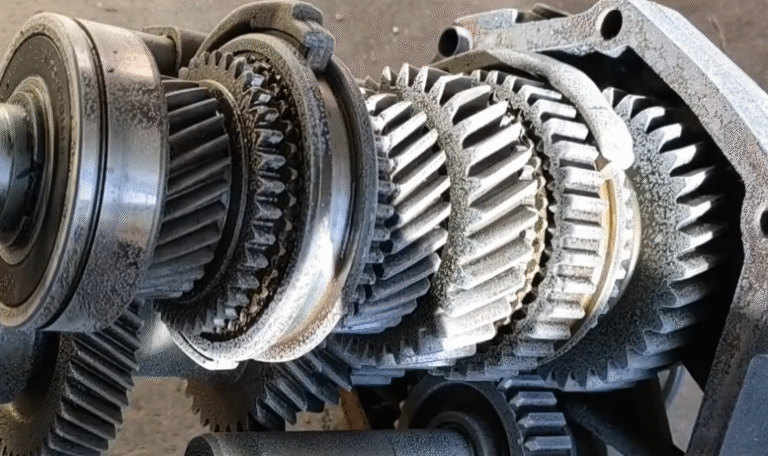
- Gear tooth wear or pitting
- Surface spalling
3. Bearing Damage
- Raceway pitting
- Rolling element wear
- Loss of preload
Corrective Actions
- Clean the ball screw surface thoroughly.
- Reapply suitable grease in a thin, uniform layer.
- If noise decreases significantly, lubrication was the issue.
- Check gearbox oil level and oil condition.
- Replace oil if contaminated.
- Inspect gear tooth surfaces for abnormal wear.
- Manually rotate input shaft to detect rough bearing motion.
- Replace damaged bearings.
- Re-adjust preload according to specification.
Early intervention prevents minor lubrication issues from becoming major mechanical failures.
2. Lifting Jamming or Irregular Stroke Movement
Symptom
- Sudden resistance during travel
- Uneven movement
- Jamming at specific stroke positions
Possible Causes
1. Foreign Material in Ball Nut Raceway
- Metal chips
- Sand or abrasive dust
- Corrosion buildup
2. Installation Misalignment
- Screw axis not aligned with load direction
- Uneven mounting surface
- Rigid coupling causing side load
3. Incorrect Mechanical Limit Adjustment
- External structure interference
- Misplaced stroke limit blocks
Corrective Actions
- Clean the screw thoroughly.
- If severe contamination is suspected, disassemble and clean the nut (professional service recommended).
- Re-check alignment:
- Ensure mounting base is flat.
- Verify load guiding system is coaxial with screw.
- Confirm flexible coupling is not transmitting side force.
- Inspect mechanical limits and external structures.
- Restore stroke limit to manufacturer-recommended position.
Misalignment is one of the most common causes of localized stroke resistance.
3. Large Positioning Error or Inaccurate Travel
Symptom
- Failure to reach target position
- Inconsistent repeatability
- Drift between theoretical and actual stroke
Possible Causes
1. Ball Nut Wear and Increased Backlash
Over time, wear increases internal clearance.
2. Uneven Load Distribution in Multi-Jack Systems
One unit may experience higher friction or load.
3. Coupling Slippage or Loose Key Connection
Mechanical transmission not fully transferring torque.
Corrective Actions
- Measure forward and reverse stroke difference.
- Significant deviation indicates backlash increase.
- Replace worn nut or adjust preload.
- Inspect each jack in synchronized system:
- Check load distribution
- Verify guide resistance
- Add additional guide rails if necessary
- Inspect coupling, keys, and locking screws.
- Tighten or replace worn components
In precision systems, even small backlash increases can affect platform leveling.
4. Abnormal Temperature Rise
Symptom
- Housing feels excessively hot
- Localized overheating at bearing or screw
Possible Causes
1. Overload or Excessive Duty Cycle
Actual operation exceeds rated specification.
2. Inadequate or Incorrect Lubrication
High friction increases heat generation.
3. Excessive Bearing Preload or Misalignment
Increased rolling resistance.
Corrective Actions
- Compare actual load, speed, and duty cycle to rated parameters.
- Reduce load or speed if necessary.
- Upgrade to larger specification if required.
- Check gearbox oil and ball screw lubrication.
- Replace with manufacturer-recommended viscosity grade.
- Inspect alignment and bearing preload.
- Correct eccentric installation.
Sustained overheating shortens bearing life and reduces lubricant performance.
5. Oil or Grease Leakage
Symptom
- Visible oil seepage
- Grease expelled from housing
Possible Causes
- Aged or damaged oil seal
- Improper seal installation
- Blocked gearbox breather
- Over-greasing
Corrective Actions
- Replace damaged seals.
- Inspect shaft surface for wear marks.
- Clear gearbox breather hole.
- Ensure internal pressure balance.
- Reduce grease quantity.
- Maintain only thin lubrication film.
Excessive internal pressure is a common but overlooked cause of leakage.
6. Self-Sliding After Power Off (Loss of Holding Position)
Symptom
- Load slowly descends after motor stops
- Platform drifts downward
Technical Explanation
Ball screws are not self-locking.
Unlike trapezoidal or worm screw jacks, bevel gear ball screw jacks require external braking mechanisms.
Corrective Actions
- Inspect brake motor functionality.
- Check brake pads and spring fatigue.
- If braking was not included in original design:
- Add brake motor
- Install mechanical locking device
- Consider safety nut or mechanical stopper
Never rely on friction for load holding in ball screw systems.
7. Multi-Jack Synchronization Failure (Platform Twisting)
Symptom
- Platform tilting
- Uneven lifting
- Structural twisting
Possible Causes
- Uneven load distribution
- Guide rail resistance on one side
- Loose drive shaft or coupling
- Key disengagement
- Friction differences beyond compensation range
Corrective Actions
- Perform no-load synchronization test.
- Confirm equal stroke across units.
- Inspect:
- Drive shafts
- Universal joints
- Couplings
- Keys
- Locking screws
- Consider system upgrades:
- Add rigid synchronization shaft
- Introduce encoder feedback
- Implement electronic synchronization control
Mechanical synchronization alone may be insufficient in high-precision platforms.
Root Cause Summary
Most failures stem from:
- Poor lubrication
- Improper alignment
- Exceeding rated load
- Lack of external braking
- Insufficient synchronization control
With proper preventive maintenance, these issues are largely avoidable.
Frequently Asked Questions (FAQ)
1. What is the most common failure?
Lubrication-related noise and wear.
2. Why does my ball screw jack drift after shutdown?
Ball screws are not self-locking. A brake or locking mechanism is required.
3. How can I prevent synchronization problems?
Ensure equal load distribution, rigid mechanical linkage, and consider electronic position feedback for high-precision systems.
4. When should I replace a ball nut?
When backlash exceeds allowable tolerance or positioning accuracy degrades significantly.
5. Is overheating always caused by overload?
Not always. Misalignment and improper lubrication are equally common causes.
6. Does NUODUN provide troubleshooting support?
Yes. NUODUN provides engineering analysis, technical consultation, and customized OEM support for gear ball screw jack systems.
Conclusion: Systematic Diagnosis Ensures Long-Term Reliability
Bevel gear ball screw jacks are precision mechanical systems. Most operational failures are predictable and correctable when addressed systematically.
By diagnosing issues based on:
- Observable symptoms
- Mechanical root causes
- Structured corrective steps
You can restore performance quickly and prevent recurrence.
Work with NUODUN for Reliable Gear Ball Screw Jack Solutions
NUODUN is a professional gear ball screw jack manufacturer providing:
- High-efficiency bevel gear ball screw jacks
- Multi-point synchronized lifting systems
- Customized stroke and load configurations
- OEM-supported industrial solutions
If you are experiencing system issues or planning a new synchronized lifting project, our engineering team can assist with:
- Failure analysis
- Load verification
- Design optimization
- Custom manufacturing
Contact NUODUN today to ensure your lifting system operates safely, accurately, and reliably under demanding industrial conditions.